
Walk into any serious automotive workshop in India that has been running for more than ten years. Look at what the senior technicians are actually using to clean engine components, wipe callipers, or clear oil from a machined surface.
In most cases, it is a piece of cotton old dhoti. Not a synthetic rag. Not a disposable paper wipe.
This is not a coincidence. It is accumulated workshop wisdom tested over decades.
What Makes Workshop Cleaning Different From Regular Cleaning
Workshop cleaning is not about making surfaces look tidy. It is about removing contaminants that damage components, clog filters, and slow production.
Engine oil, hydraulic fluid, coolants, heavy grease, and metal shavings. These are the materials your technicians handle every single shift. The cleaning cloth has to deal with all of it reliably, without leaving residue, lint, or micro-scratches behind.
Most cleaning products on the market are not designed for this environment. They are designed to look adequate, not perform consistently under industrial pressure.
Why Cotton Old Dhoti Has Been the Go-To for Auto Workshop Cleaning
The reason is straightforward. Cotton absorbs. Synthetic repels.
Cotton fibres are naturally hydrophilic. They pull oil and moisture into the fabric and hold it there. Synthetic fibres do the opposite. They push liquid around the surface rather than capturing it.
In a busy auto workshop, where a single technician cleans dozens of components per shift, this difference directly affects:
- How many wipes does it take to clean one surface
- How much time each technician spends per task
- How quickly do bays turn over for the next vehicle
A quality cotton old dhoti handles most cleaning jobs in one or two passes. A synthetic cloth often needs four or five for the same result. Multiply that across your full workshop team, and the daily time loss becomes very real.
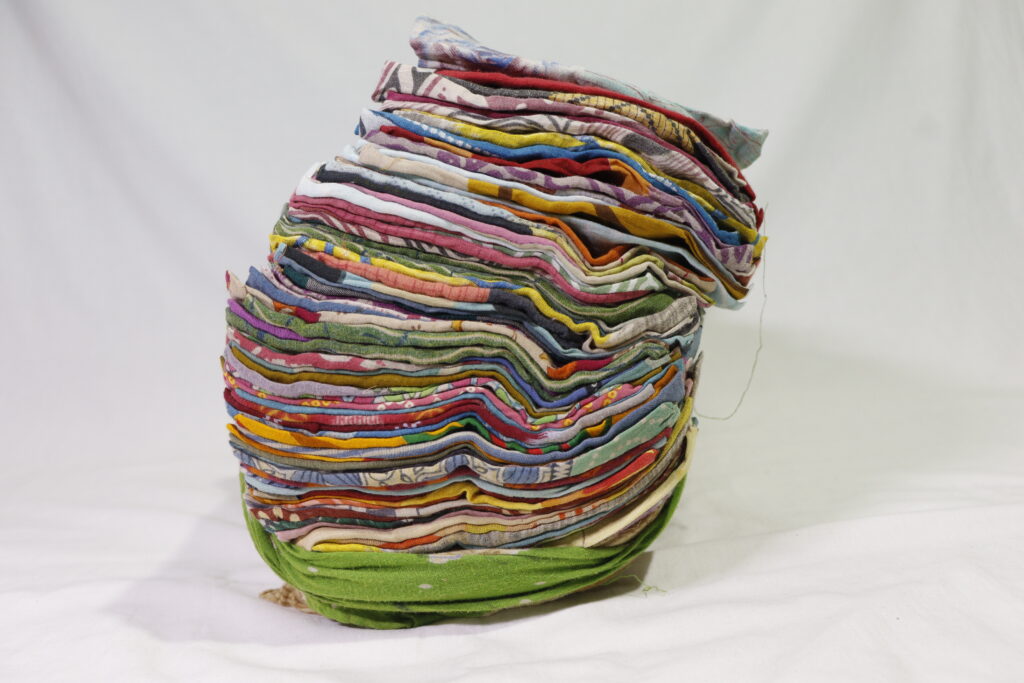
The Hidden Cost of Using the Wrong Cleaning Material
Many workshop managers focus on tools, equipment, and scheduling when reviewing efficiency. Cleaning materials rarely make the list. That is a mistake.
The wrong clothes do not just slow technicians down. It creates problems that show up later and cost more to fix.
Micro-scratches on painted panels: Stiff synthetic cloth is abrasive on soft surfaces. The damage appears during quality checks or in the paint shop, not at the point of cleaning.
Lint contamination on precision parts: Low-quality rags shed microfibres that settle into filters, seals, and precision assemblies. Over time, this leads to component failures and unplanned stoppages.
Rising rework costs: Every component that has to be re-cleaned or re-finished because of the wrong material is time and money pulled directly from your margin.
Good auto workshop cleaning starts with the right material, not just the right process.
How Cotton Old Dhoti Handles Every Layer of Workshop Cleaning
The reason the old dhoti has held its place in Indian auto workshops for decades is not tradition. It is a consistent performance across a wide range of tasks.
Engine Bays and Mechanical Components
Engine cleaning requires a cloth that absorbs quickly, handles heat, and does not shed fibres into moving parts. Cotton old dhoti does all three without preparation.
A single pass removes oil and grease from engine block surfaces, gasket areas, and valve covers without needing multiple attempts.
Painted Panels and Finished Surfaces
Here, surface safety becomes critical. Pre-softened cotton old dhoti arrives with no stiffness because the fabric has already been through real-world washing cycles before reaching your workshop. It wipes painted panels cleanly without creating surface marks.
Brake Components and Hydraulic Systems
Brake dust, hydraulic fluid, and metal particulates are among the toughest materials to clean effectively. Cotton’s absorbency captures fluid in a single pass, and its soft texture protects sensitive brake components from surface damage.
Workshop Cleaning Solutions: Matching the Right Variant to the Right Task
Not all cotton cleaning materials perform identically. The smartest workshop cleaning solutions come from using the right variant for each specific task.
White Cotton Old Dhoti: Precision and Quality Control Work
The undyed surface shows contamination clearly. Technicians can see exactly when to switch to a fresh piece, which matters during component inspection, paint prep, and final quality checks.
Use a white old dhoti where cleanliness standards are highest, and surface safety cannot be compromised.
Colour Cotton Old Dhoti: High-Volume Daily Cleaning
The dyed surface hides staining, keeping each piece usable for longer. This makes it the right choice for tool wipes, general surface cleaning, and floor maintenance where constant visual inspection of the cloth is less critical.
T-Shirt for Industrial Use: Heavy-Duty Workshop Tasks
Old cutting cloth made from sports garments is built for tougher jobs. T-shirt for industrial use offers more durability and thickness than standard old dhoti, making it well-suited for machine exteriors, workshop floors, and surfaces dealing with heavy grease or metal shaving build-up.
It still carries enough absorbency for practical cleaning while holding up to the abrasion that wears out thinner materials quickly.
Why Experienced Procurement Managers Keep Returning to Old Dhoti
Here is a consistent pattern across the automotive, engineering, and manufacturing industries in India.
Procurement managers try alternatives. Disposable wipes. Synthetic rags. Microfibre cloths. Some are marketed well. Some come in at a lower initial price.
Most of these managers eventually return to their old dhoti.
Not because they resist change. Because they have measured the alternatives against real workshop performance, and the numbers keep pointing in the same direction.
Better absorbency per pass. Lower total cloth consumption. Fewer rework incidents. More value per rupee.
The material works because it was originally designed to be soft, absorbent, and washable for everyday use. When repurposed for industrial cleaning, those same properties become direct performance advantages on the workshop floor.
What to Check Before Placing a Bulk Order
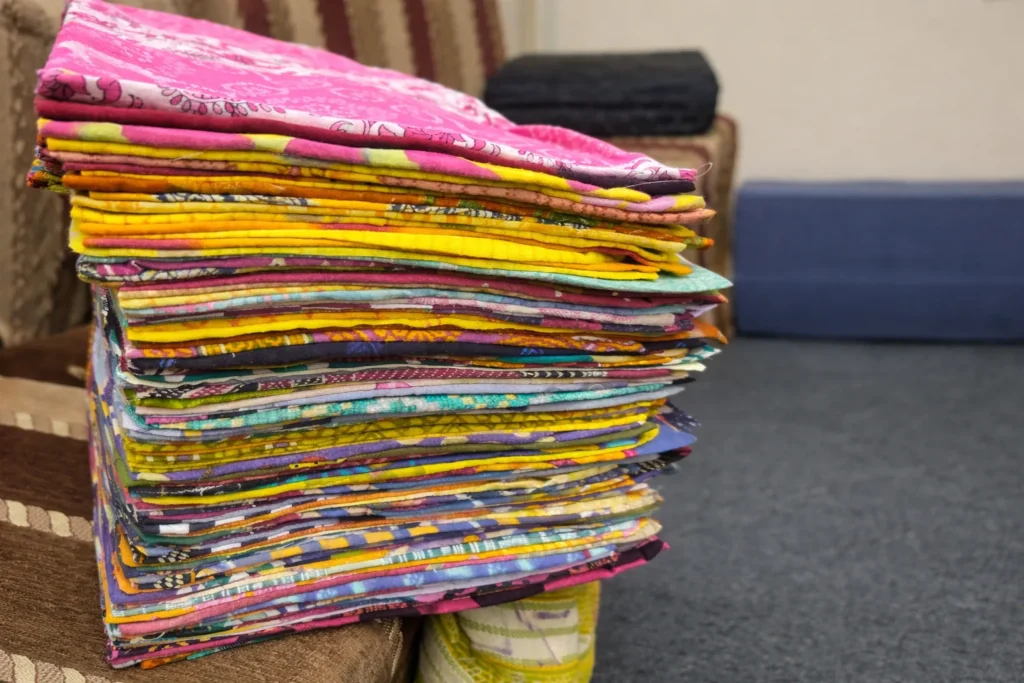
The performance of your cleaning cloth is only as good as the sorting and processing behind it. A poorly sorted batch delivers inconsistent results, unexpected lint, and variable sizing that wastes material.
Before ordering from any supplier, check these four things:
- Texture: Should feel soft on first touch. Stiffness means the material has not been properly pre-washed.
- Smell: Neutral. No chemical odour. Strong smells point to poor storage or processing.
- Cut consistency: Uniform sizing across the full batch. Inconsistent dimensions create waste on the floor.
- Composition clarity: The supplier should clearly state whether the batch is pure cotton or a cotton mix. This matters for absorbency-critical tasks.
A reliable supplier will have documented, clear answers to all of these. If they cannot explain their sorting and quality-check process, that is worth taking seriously before you commit to a bulk order.
Frequently Asked Questions
1. Why is the old dhoti preferred over synthetic rags for auto workshop cleaning?
Cotton old dhoti absorbs oil, grease, and coolants on the first or second pass. Synthetic alternatives spread liquids around the surface rather than capturing them. For workshops handling engine fluids and lubricants throughout every shift, cotton delivers faster, cleaner results while consuming far less material per task.
2. When should I use a white old dhoti versus colour old dhoti?
White old dhoti is the right choice for precision tasks: component inspection, paint prep, and quality control checks. The undyed surface shows contamination clearly, so technicians know exactly when to switch to a fresh piece. Colour old dhoti is better for high-volume general cleaning, where each piece needs to stay usable longer before disposal.
3. What is the difference between an old dhoti and a t-shirt for industrial use in a workshop setting?
Old dhoti is softer and more absorbent, making it ideal for surface-safe cleaning and fluid capture on precision components. T-shirt cutting cloth is thicker and more durable, making it a better fit for heavy-duty tasks like cleaning machine exteriors, workshop floors, and surfaces with metal shavings or heavy grease deposits.
4. How does an old cotton dhoti help reduce rework costs in auto workshops?
Its pre-softened texture does not create micro-scratches on painted panels or machined surfaces. Stiff synthetic cloth causes surface damage that only appears during QC or in the paint shop. Switching to cotton eliminates that risk and brings down rework-related costs without any operational changes.
5. What should I look for when evaluating a workshop cleaning solutions supplier?
Check four things before placing an order: texture (soft, not stiff), smell (neutral, no odour), cut consistency (uniform sizing throughout the batch), and composition transparency (the supplier can clearly explain whether the batch is pure cotton or a mix). A trustworthy supplier will have a documented quality-check process and will answer these questions directly.
Final Word
If your workshop cleaning process is costing more time, more material, or more rework than it should, the answer is usually not a process change. It is a material change.
Cotton old dhoti has remained the most trusted cleaning material in Indian auto workshops for decades. Not because it is the cheapest option available, but because it consistently outperforms on the metrics that actually matter: absorbency, surface safety, lint control, and total cost per task.
Shiv Enterprises has been supplying quality-sorted old dhotis, cutting cloth, and industrial hand gloves to India’s leading industries since 1987. If your workshop needs a consistent, reliable supply, we are ready to help.