
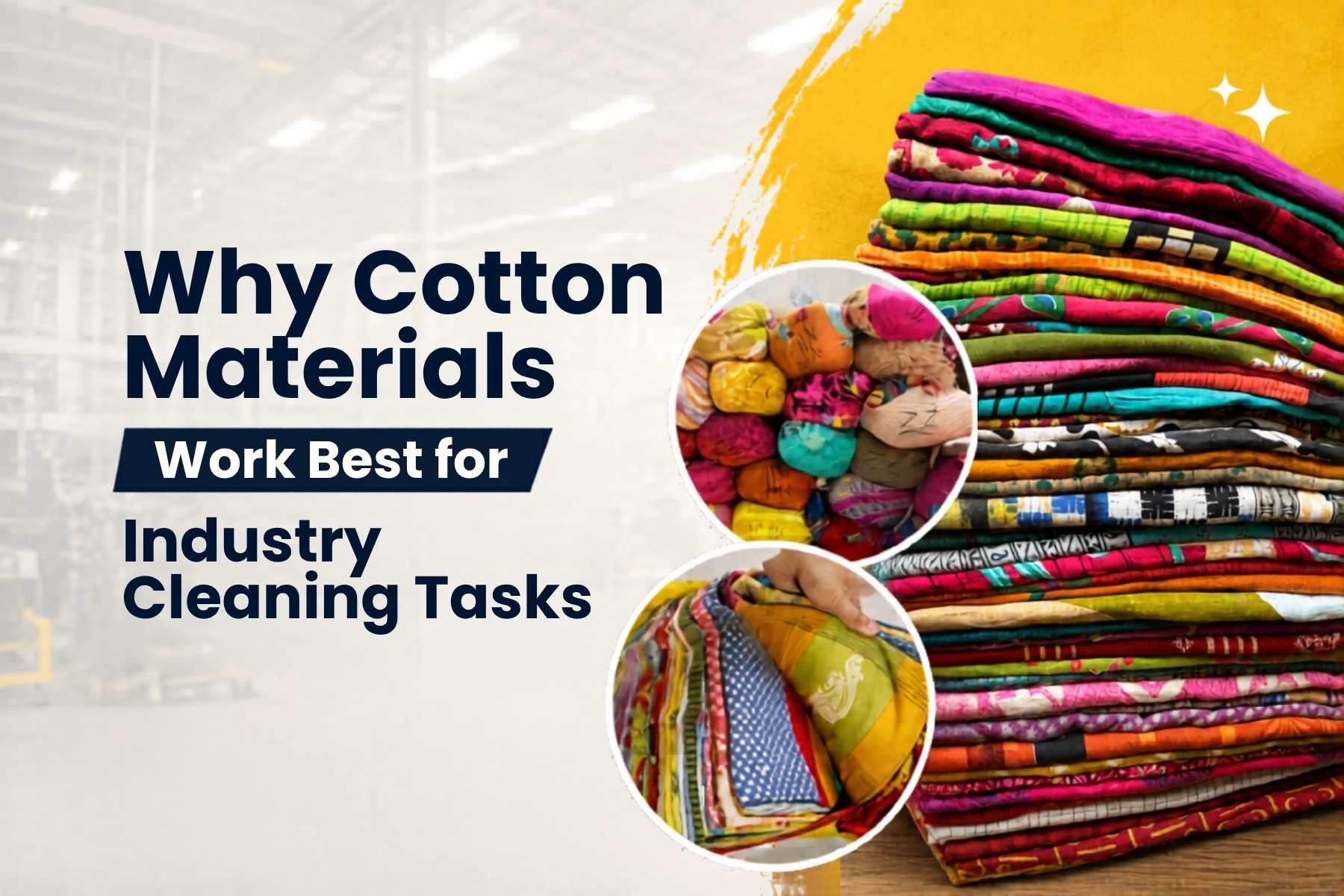
Walk into any automobile workshop in Delhi. Look at what the workers are actually using to wipe down engine parts, mop up hydraulic leaks, or clean a greased-up component before inspection.
Chances are, it is a piece of soft, worn cotton cloth. Not a synthetic pad. Not a disposable wipe.
There is a reason that has not changed in decades. Cotton simply performs better where it counts.
What Makes Cotton the Go-To Choice in the Rags Industry
The rag industry has tested every material imaginable. Synthetic cloth, paper wipes, microfibre pads, disposable non-wovens. They all get tried. And most workshops eventually come back to cotton.
Why? Because cotton absorbs. Synthetic fibres resist.
Cotton is naturally hydrophilic. Its fibres pull in oil, grease, coolant, and moisture and hold them. Synthetic fibres push liquid sideways across a surface. In a workshop environment, that single difference changes everything about how long a cleaning task takes and how clean the result actually is.
This is not a theory. It is what procurement managers figure out after a few months of comparing real cleaning outcomes, not just purchase prices.
How Cotton Performs on Real Workshop Surfaces
A piece of good industrial cleaning cloth does not just wipe. It captures.
Here is what cotton does in actual use:
- Absorbs oil and grease in one or two passes, cutting the number of wipes needed per task
- Holds moisture inside the fabric instead of smearing it across the surface
- Works on wet and dry surfaces without switching materials
- Does not require prep time – no soaking, no treatment, ready from the first wipe
Synthetic cloth often takes four or five passes to do what cotton handles in one or two. Across a full shift with dozens of workers doing hundreds of wipes, that time loss adds up fast.
The Lint Problem That Costs Workshops Real Money
This one gets overlooked far too often.
Synthetic rags shed microfibres during use. These fibres are invisible, but they settle into filters, contaminate precision assemblies, and create problems that only show up later, often during quality inspection or after a machine stoppage.
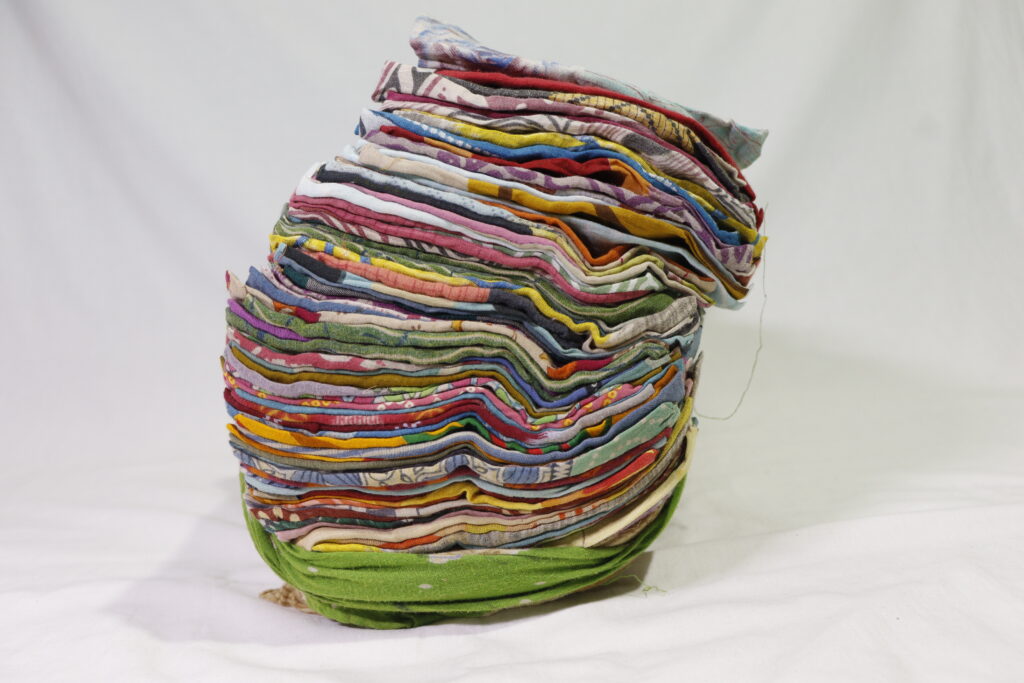
Industrial cleaning cloths made from pre-used cotton behave differently. The fabric has already been through extensive washing in prior use. Loose fibres have come away naturally. What arrives at your workshop is a stable, consistent material that cleans without leaving contamination behind.
For workshops supplying automotive OEMs, where cleanliness standards are strict and non-negotiable, this matters more than most buyers initially realise.
Why Procurement Managers Trust Cotton for Surface-Sensitive Tasks
Surface damage is one of the most expensive hidden costs in a workshop. It rarely shows up immediately. It appears at inspection, in the paint shop, or during final handover.
Synthetic cloth, especially when new, is stiff. On painted panels, polished metals, or precision-machined components, that stiffness creates micro-scratches. Cotton old dhoti, having already been softened through years of prior use, arrives with none of that stiffness.
Cotton works particularly well on:
- Final panel wipes before painting or coating
- Polished and finished metal surfaces
- Precision-engineered components where any surface damage means rework
- Assembly line tasks where finished parts are being handled carefully
No procurement manager wants to deal with rework costs caused by the wrong cleaning cloth. Choosing pre-softened cotton removes that risk entirely.
Breaking Down the Value Per Rupee in Industrial Cleaning
Some buyers assume synthetic rags are economical because the price per piece looks lower at purchase. That calculation breaks down quickly in practice.
The real cost of a cleaning cloth is not what you pay for it. It is how much cleaning work you actually get from it.
Cotton delivers more usable performance per piece. One piece of old cotton dhoti does the work that three or four synthetic pieces attempt. That changes the entire cost equation.
Here is how it plays out:
- Fewer pieces are used per task because cotton absorbs on the first pass
- Less time per cleaning task because the job gets done in fewer wipes
- Reduced rework costs because surfaces are not being scratched
- Lower disposal volume because each piece lasts longer before it is finished
A supplier offering consistently quality-sorted cotton rags at fair pricing is not just selling cloth. They are removing a recurring cost problem from your monthly operations.
Choosing the Right Cotton Variant for Each Cleaning Task
Not all cotton rags perform identically. Choosing the right type for the right task makes a measurable difference.
When to Use White Cotton Cloth
Cotton white old dhoti is best suited for precision and inspection work. The undyed surface shows contamination immediately, so workers know exactly when to switch to a fresh piece. This makes it the first choice for quality control stations, component inspection, and paint preparation areas.
When to Use Colour Cotton Cloth
Better for high-volume daily cleaning where visual contamination is less critical. Tool wipes, floor maintenance, and general surface cleaning. The dyed surface keeps each piece looking usable for longer, reducing unnecessary discard.
When to Use Cutting Cloth
Designed for heavier tasks: workshop floors, machine exteriors, and surfaces with metal shavings or heavy grease buildup. More durable construction, still sufficiently absorbent for demanding use.
Matching the variant to the task reduces waste. It also stretches your monthly spend further without any drop in actual performance.
The Sustainability Angle That Also Makes Business Sense
An old dhoti used for industrial cleaning is not a compromise. It is a smart material choice that also carries an environmental benefit.
Pre-used cotton fabric that would otherwise become textile waste is sorted, cleaned, and given a second functional life. Workshops that use reclaimed cotton rags are diverting material from landfills while getting better performance than synthetic alternatives.
For businesses tracking ESG commitments or sustainability metrics, this is a genuine, documentable benefit. Not a marketing claim. The old dhoti suppliers in Delhi who process this material carefully are contributing to a circular textile economy while delivering a product that outperforms on the workshop floor.
That combination is increasingly rare and increasingly valuable.
What Separates a Reliable Cotton Rag Supplier from the Rest
Sourcing cotton rags is straightforward. Sourcing consistently good cotton rags requires choosing the right supplier.
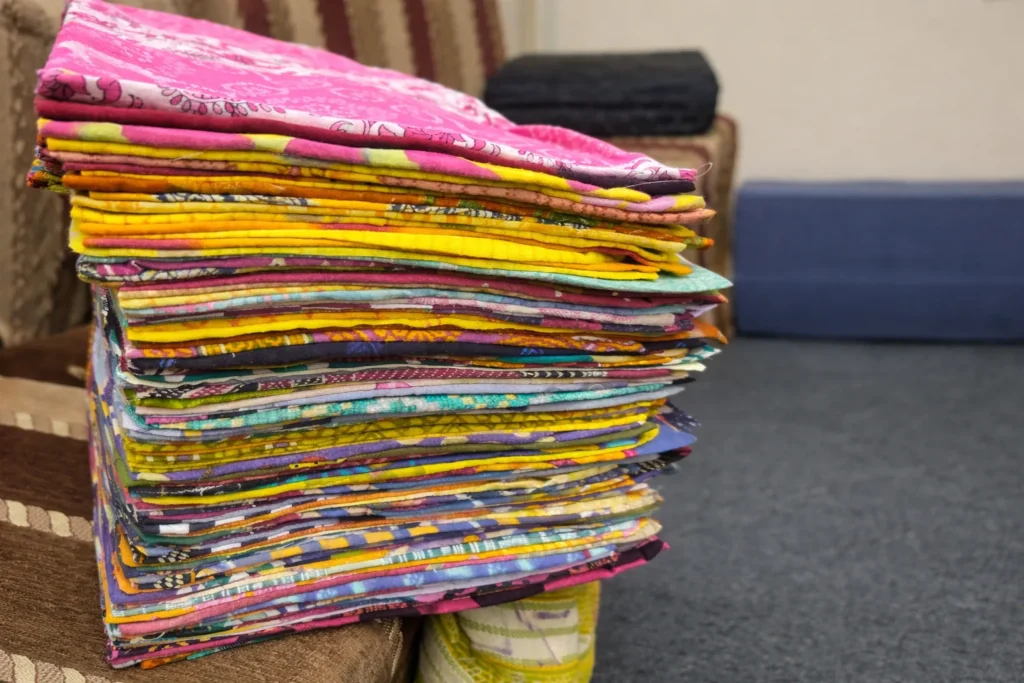
Quality in this category comes down to sorting and processing. Not all pre-used cotton arrives in workshop-ready condition. The difference between a supplier who checks every batch and one who does not shows up quickly on the floor.
Before placing a bulk order, check these four things:
- Texture – Soft on first touch, no stiffness or rough patches
- Smell – Neutral, no harsh chemical odour or must
- Cut consistency – Uniform sizing throughout the batch, not random offcuts
- Composition – Cotton-dominant for absorbency tasks, clearly labelled by variant
A supplier with a documented sorting and quality-check process will have clear, confident answers to these questions. One without that process will not.
Old dhoti suppliers in Delhi who have been operating for decades typically have these systems built in. They have handled enough bulk orders to know exactly what industrial buyers need and what happens when those standards slip.
Frequently Asked Questions
Q1. Why does cotton outperform synthetic cloth for industrial cleaning?
Cotton fibres are naturally absorbent. They pull in oil, grease, and fluids rather than pushing them across a surface. In workshop conditions where workers deal with lubricants and coolants constantly, cotton handles the job in fewer passes, saving time and effort across every shift.
Q2. Is an old dhoti hygienic enough for use in industrial environments?
Yes, when properly processed. Pre-used cotton is sorted and cleaned before supply. Its extended wash history makes it softer and more absorbent than fresh cotton. Reputable suppliers check each batch for odour, texture, and any contamination before it leaves their facility.
Q3. What is the difference between a white old dhoti and colour old dhoti?
The white old dhoti is undyed, making it ideal for precision and inspection tasks where you need to see contamination clearly. The colour of an old dhoti is better suited for high-volume daily cleaning where visual contamination tracking is less critical. Choosing the right variant for each task reduces waste.
Q4. Does an old cotton dhoti create lint problems on machines?
Well-sorted cotton old dhoti sheds significantly fewer fibres than unsorted alternatives or synthetic rags. The key variable is the quality of sorting and processing at the supplier end. Consistently quality-checked cotton delivers low-lint performance that protects filters, seals, and precision components.
Q5. How do I evaluate old dhoti suppliers in Delhi before placing a bulk order?
Check four things: texture (soft and consistent), smell (neutral, no harsh odour), cut uniformity (same sizing throughout the batch), and material composition (cotton-dominant for absorbency work). Ask the supplier directly about their sorting and quality-check process. A trustworthy supplier will give you a clear and specific answer.
Final Word
Cotton has remained the material of choice in the rags industry for one straightforward reason: it consistently delivers better results where it is actually used.
Better absorbency. Lower lint contamination. Safer on surfaces. More cleaning work per piece. These are not marginal advantages. They are the difference between a workshop that runs smoothly and one that keeps dealing with preventable problems.
If your operation handles industrial cleaning tasks at any scale, cotton cloth deserves a serious look, not just as the traditional option, but as the measurably better one.
Shiv Enterprises has been supplying quality-sorted cotton cleaning materials to India’s leading industries since 1987. From automotive workshops to engineering plants, the commitment has stayed the same: consistent quality, fair pricing, and delivery that does not let production schedules down.