

Walk through any busy automotive workshop in Delhi NCR on a regular workday. Workers are moving fast. Machines are running. There is oil on the floor, grease on the components, and a cleaning task happening every few minutes.
Now look at what is slowing things down.
Most of the time, it is not the tools. It is not the process. It is the cleaning cloth. A rag that does not absorb properly, falls apart mid-task, or leaves lint behind adds small delays that compound across an entire shift. And in a workshop where time is money, those small delays become a very real cost.
Switching to a good reusable cloth solves this. But only if you know what to look for and how to use it right.
Why Your Cleaning Material Directly Affects Workshop Output
This is something most procurement decisions ignore.
The focus usually goes to equipment, staffing, and scheduling. The cleaning cloth gets picked up from the nearest supplier without much thought. And that is exactly where efficiency quietly bleeds out.
Here is what actually happens on the floor when the wrong rag is in use:
- Workers wipe the same surface two or three times because the first pass did not absorb properly.
- Lint from synthetic or low-quality cloth settles on machine components and clogs filters.
- Rags fall apart during use, creating a mess and forcing a stop to find another one.
- Surface scratches from stiff cloth lead to rework, especially in paint shops and assembly lines.
None of these is a dramatic event. They are small, repeated friction points. But a workshop with 30 workers doing this across every shift is losing significant productive time each month.
How Reusable Cloth Solves the Core Problem
A quality reusable cloth does one thing better than most alternatives: it absorbs on the first pass.
Cotton fibres are naturally designed to pull in moisture and hold it. Oil, hydraulic fluid, coolant, and lubricant: cotton rags handle all of these without pushing liquid around the surface or requiring multiple wipe passes.
What this means for your workshop:
- Fewer wipes per task
- Less time per cleaning operation
- Workers are moving faster between tasks without stopping to find more rags
- Surfaces that are actually clean, not just spread around
Over a full shift, these small gains compound. Over a month, they show up in measurable productivity.

Why Reusable Cloth Outperforms Disposables on the Workshop Floor
Many workshops switch to disposable paper wipes, thinking it will simplify operations. It often does the opposite.
Disposable wipes run out. Someone has to track stock, reorder, and manage the cost of constant replenishment. The per-piece cost seems low until you calculate how many pieces it takes to do what one good cotton rag does in a single wipe.
A single piece of quality reusable cotton cloth handles what three to five disposable wipes attempt and still fall short of. The absorbency is not comparable. Cotton pulls fluid in and holds it. Disposable wipes push it around.
Beyond absorbency, disposable wipes generate significant waste and carry a lint risk that reusable cloth does not. Synthetic and paper-based wipes shed fibres that settle into machine components, clog filters, and create contamination problems in precision assemblies. A quality-sorted reusable cloth sheds far fewer fibres because the fabric has already stabilised through prior use.
The total cost picture also shifts when you look beyond the purchase price. Fewer pieces per task, less worker time per cleaning operation, reduced rework from surface damage, and lower disposal costs all add up. The reusable cloth is the more economical option once you measure what actually matters.
Choosing the Right Reusable Cloth for Each Workshop Task
Not all cleaning rags are equal, and not all tasks need the same cloth. Using the right variant in the right place improves efficiency even further.
White Cotton Cloth for Precision Work
White cloth shows contamination clearly. When a worker can see the grease on the rag, they know exactly when to move to a fresh piece. This makes it ideal for:
- Quality control checks
- Component inspection before assembly
- Paint shop surface wipes before coating
You will often find cotton white old dhoti being used specifically in these high-precision zones because its clean surface makes contamination visible and reduces the risk of rework.
Colour Cotton Cloth for High-Volume Cleaning
Colour cloth handles general maintenance tasks well. It does not show staining as quickly, which keeps each piece usable for longer during routine cleaning operations. Best for:
- Tool wipes
- Floor maintenance
- Machine exterior cleaning
Cutting Cloth for Heavy-Duty Tasks
For floors with metal shavings, machine exteriors with heavy grease, or situations requiring more durability, cutting cloth delivers. The heavier weave handles rough surfaces without breaking apart.
What Good Sorting Does for Your Cleaning Efficiency
Here is something that rarely gets discussed but makes a significant difference in practice.
The quality of your reusable cloth depends heavily on how it has been sorted before it reaches you. Poorly sorted rags bring inconsistency: some pieces perform, others do not, and workers spend time sorting through the batch on the floor.
A properly sorted batch delivers:
- Consistent texture across every piece
- Uniform sizing so workers can use each piece predictably
- Low lint because loose fibres have been cleared during sorting
- No odour or contamination from improper storage
When workers know the cloth will perform the same way every time, they move faster. There is no hesitation, no checking, no discarding before use. The cloth is ready, and so is the worker.
The Sustainability Factor That Also Makes Business Sense
Cotton rags made from recycled textile materials are not just an environmental choice. They are practical ones.
Reclaimed cotton fabric has already been washed through real-world use. This means:
- The fibres are already softened, making them gentler on surfaces from the first wipe
- Loose fibres have already shed naturally, reducing lint significantly
- The material is stable and consistent in performance
Workshops that partner with suppliers offering recycled cotton cloth are also reducing textile waste that would otherwise end up in landfills. That is a sustainability credential that increasingly matters to OEM partners, especially in the automotive sector.
If you are working with automotive giants or exporting components, your cleaning process is part of your quality story. Old dhoti store in Delhi suppliers who specialize in sorted, quality-checked recycled cotton are the right source for this kind of material.
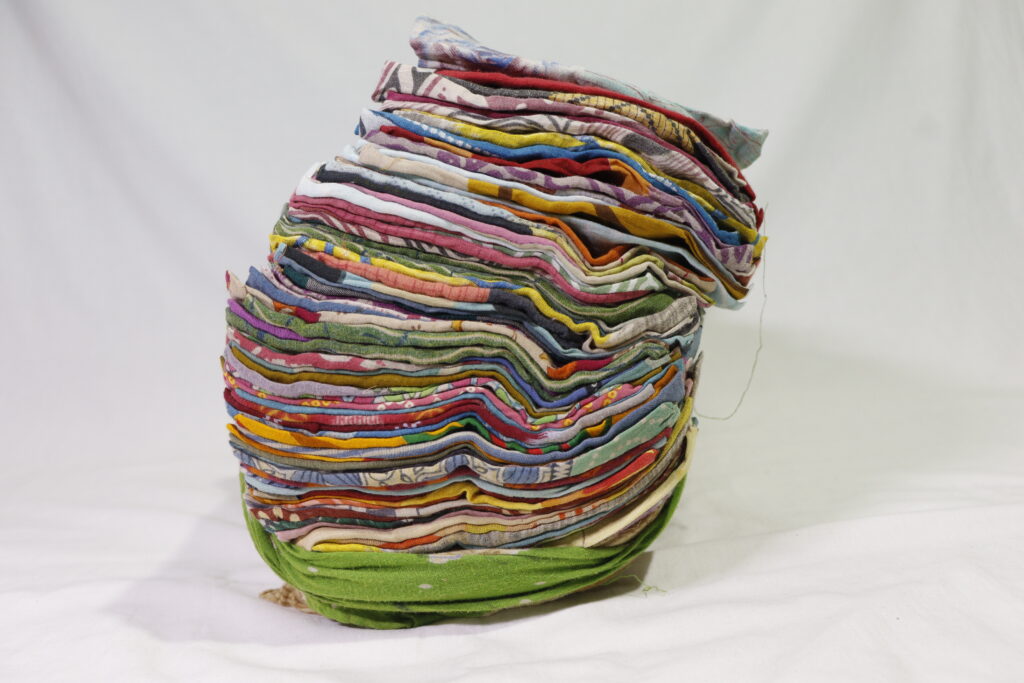
Practical Steps to Improve Efficiency Starting Today
You do not need to overhaul your entire procurement process. A few focused changes make an immediate difference.
Step 1: Audit your current rag use. Count how many pieces workers are using per task. If it is more than two for a standard wipe, the cloth is underperforming.
Step 2: Match cloth type to task. Assign white cloth to precision areas, colour cloth to general cleaning, and cutting cloth to heavy-duty zones. This reduces waste and stretches your monthly spend.
Step 3: Standardize your reorder quantity. Running out of cleaning cloth mid-week forces workers to improvise. Maintain a buffer stock that covers at least two weeks of normal operations.
Step 4: Choose a supplier who sorts consistently. Inconsistent supply is a hidden productivity problem. A reliable supplier delivering uniform, quality-checked cleaning rags removes a recurring variable from your operations.
Step 5: Track performance per batch. Talk to your floor supervisors after each new batch arrives. If workers are using more pieces per task than usual, that is a quality signal worth investigating with your supplier.
Frequently Asked Questions
1. How do reusable cleaning cloths improve workshop efficiency compared to disposable options?
Reusable cotton cloth absorbs more fluid per wipe than most disposable alternatives. This means fewer passes per task, less time per cleaning operation, and faster movement between jobs. Over a full shift with multiple workers, the cumulative time saving is significant. Disposable wipes also run out and need constant restocking, which adds a procurement and interruption burden that reusable cloth avoids entirely.
2. How often should reusable cleaning cloths be replaced in an industrial workshop?
There is no fixed interval because it depends on usage intensity and the tasks involved. The practical signal is texture and structural integrity. When a cloth starts to fray heavily, holds strong odour even after cleaning, or no longer absorbs on the first pass, it is ready to be retired. Quality-sorted cloth typically lasts significantly longer per piece than cheap, unsorted alternatives because the fibres are more stable from the start.
3. Are cotton rags safe to use on painted and polished surfaces?
Yes, when the cloth is properly processed. Reclaimed cotton that has been worn and pre-washed is naturally softened, which makes it gentle on painted panels and polished metals. It is one of the main reasons automotive workshops across India prefer it over synthetic alternatives. Stiff or poorly processed cloth, on the other hand, can cause micro-scratches, particularly on freshly painted surfaces.
4. What is the difference between white and coloured cotton cloth for industrial use?
The core difference is the visibility of contamination. White cloth shows grease, oil, and dirt clearly, which helps workers know when to switch to a fresh piece. This matters in precision tasks like component inspection or pre-paint wipes. Colour cloth is better suited to high-volume general cleaning because it does not show staining as quickly, keeping each piece usable for longer across routine maintenance tasks.
5. How do I assess a cleaning cloth supplier before placing a bulk order?
Check four things: texture (it should feel soft, not stiff or rough), smell (neutral, no strong chemical or storage odour), cut consistency (sizing should be uniform throughout the batch), and cotton content (higher cotton percentage means better absorbency). Ask the supplier directly about their sorting and quality-check process. A reliable supplier will have a clear, consistent answer. If they cannot explain their process, the product quality will reflect that.
Final Word
Workshop efficiency is built from dozens of small decisions made every day. The cleaning cloth is one of them. It is not glamorous, but it is used constantly, by every worker, across every shift.
Getting it right reduces wasted time, protects equipment surfaces, and removes a recurring frustration from the floor. Getting it wrong compounds into measurable losses month after month.
Shiv Enterprises has been supplying quality-sorted, consistently performing cotton cleaning materials to India’s leading industries since 1987. If you want to talk about what the right cleaning cloth can do for your workshop’s daily output, reach out and let us show you the difference a properly sorted batch makes.