
You run a tight operation. Workers are trained, tools are in order, and the cleaning routine looks solid on paper. But grease keeps showing up where it should not. Surfaces that were wiped down are still leaving marks. Inspection holds up production. And nobody can figure out why.
The answer is probably sitting in the rag bin.
Most workshop managers assume cleaning failures come down to technique or the cleaning product being used. Rarely does anyone stop to examine the cloth itself. But the oil and grease cleaning cloth you choose decides more than you think.
Why Oil and Grease Cleaning Keeps Failing in Workshops
Grease and oil are stubborn. They do not just sit on a surface waiting to be picked up. They spread, seep into joins, and leave a thin film even when a surface looks clean to the eye.
Getting rid of them properly requires a cloth that actually pulls the substance off the surface and holds it inside the fibre. If the cloth pushes it sideways, you have not cleaned anything. You have just redistributed the problem.
This is where most operations quietly go wrong. The cloth looks like it is working. The surface looks cleaner. But the residue is still there.
It Is Not Always the Technique. It Is the Material.
Experienced workshop supervisors know this already. A worker using the right cloth will clean an oily component faster and more completely than a worker using the wrong one, even if the second worker is more careful and spends more time on the task.
The material matters more than the method in most industrial cleaning scenarios. Choosing a cotton rag over a synthetic alternative is not just tradition. It is a performance decision backed by what actually happens on the floor.
What the Wrong Oil and Grease Cleaning Cloth Actually Does to Your Workflow
Synthetic rags feel functional. They are uniform, they look clean in the packet, and the unit price often appears reasonable.
But synthetic fibres are hydrophobic. They resist moisture and oil rather than pulling them in. One pass with a synthetic rag on a greasy engine component can spread that grease over a larger surface area, making the cleaning task harder, not easier.
Why Synthetic Cloth Creates More Work Than It Solves
Here is what typically happens when workers use synthetic rags on oil and grease:
- Grease smears instead of lifting off the surface
- Workers need more passes to achieve the same result
- Surfaces look clean, but leave transfer marks on the next component touched
- Filters and seals pick up synthetic microfibres over time, causing slow contamination buildup
That last point rarely gets noticed until a machine stoppage or a failed quality check. By then, tracing it back to the cloth feels unlikely. But it happens more often than most managers realise.
How a Cotton Rag Solves the Problem Synthetic Cloth Cannot
Cotton is naturally absorbent. Its fibres are hydrophilic, meaning they pull liquid in rather than pushing it away.
On a grease-covered surface, a well-sorted cotton rag will absorb in one or two passes what a synthetic cloth cannot manage in five. That is not an exaggeration. It is what procurement managers consistently discover after a few months of tracking actual cleaning performance versus the initial purchase price.
Pre-Used Cotton Has One More Practical Advantage
A cotton rag made from pre-used fabric has already been through multiple wash cycles in its prior life. The loose fibres that would otherwise shed during cleaning have come away naturally over the years of use.
What reaches your workshop is a soft, stable, low-lint material that cleans thoroughly without depositing contamination onto the surfaces it touches. For automotive workshops and engineering plants where cleanliness standards are strict and non-negotiable, that difference matters significantly.
Old Dhoti for Cleaning: Why Workshops Keep Coming Back to It
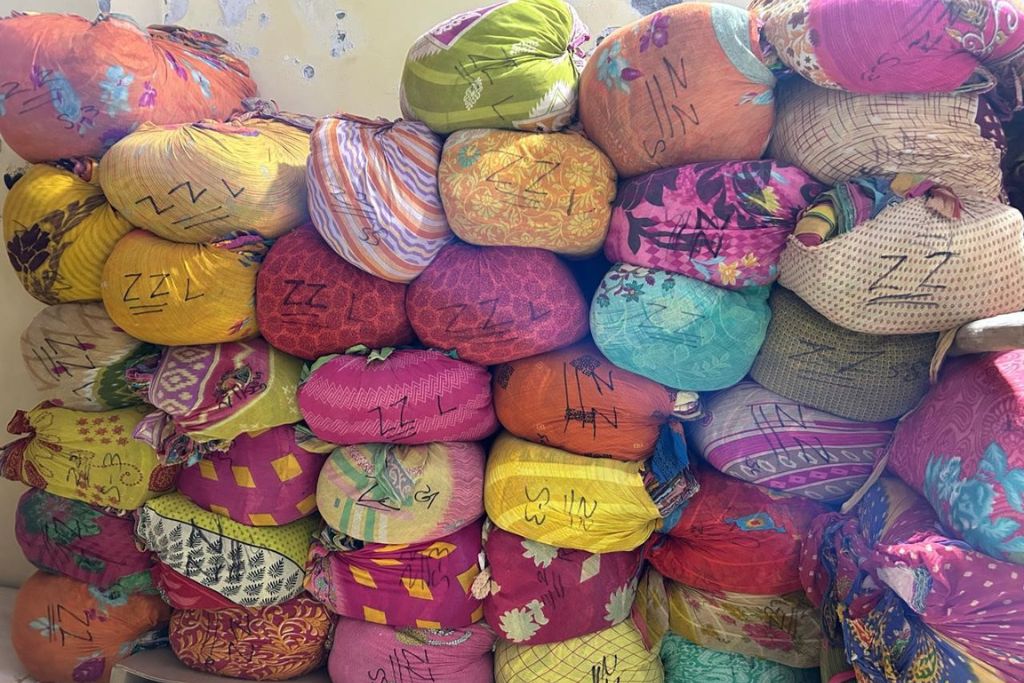
An old dhoti for cleaning is not a budget compromise. It is what India’s leading industrial workshops have been using for decades because it consistently delivers results.
Pre-used cotton dhoti fabric is soft, highly absorbent, and safe on finished surfaces. It does not scratch. It does not smear. It holds oil and grease inside the fibres instead of spreading them across the surface.
Workshops that have switched to synthetic alternatives for short-term cost reasons often come back. The cleaning takes longer, the results are worse, and the hidden costs in extra labour and rework cancel out any savings made at the point of purchase.
The Surface Damage Nobody Talks About
Stiff synthetic cloth on a polished panel or precision-machined component creates micro-scratches. These do not always show up immediately. They appear at final inspection, in the paint shop, or after assembly, when fixing them costs far more.
Pre-softened cotton, particularly from old dhoti suppliers who sort carefully and check for texture consistency, carries none of that stiffness. It arrives ready to use on even the most surface-sensitive components without any risk of abrasion.
Signs Your Current Clothes Are Failing You
Ask the workers using it every day. They will tell you quickly.
But if you want a more structured check, look for these patterns:
- Surfaces need to be re-wiped after the first clean
- Workers are going through significantly more cloth per shift than expected
- Grease is reappearing on components that were already cleaned
- Quality inspections are flagging contamination that cannot be traced back to the process
- Machines are being cleaned more frequently, but running dirtier than they should be
If more than two of these are happening regularly, the cloth is almost certainly part of the problem.
Choosing the Right Cotton Cleaning Cloth for Each Oil and Grease Task
Not every cotton cloth is right for every application. Matching the material to the job reduces waste and improves cleaning outcomes across the shift.
White cotton cloth works best for precision tasks and inspection areas. The undyed surface shows contamination immediately, so workers can tell at a glance when to switch to a fresh piece. It is the right choice for quality control stations, component inspection, and pre-paint surface preparation.
Colour cotton cloth suits high-volume daily cleaning where visual contamination tracking is less critical. Tool wipes, floor maintenance, and general machine cleaning. Each piece stays usable longer, which reduces unnecessary discard.
Cutting cloth handles the heavier tasks. Machine exteriors with metal shavings, workshop floors, and components with significant grease buildup. Durable enough for demanding use while still offering sufficient absorbency for fluids.
Sourcing a reliable cotton cleaning cloth for industry from a supplier who sorts these variants correctly means you are not guessing at the point of purchase. Every batch arrives ready for its intended job.
What a Reliable Supplier Gets Right That Others Miss
The quality of an oil and grease cleaning cloth depends almost entirely on how it is sorted and processed before it reaches your workshop.
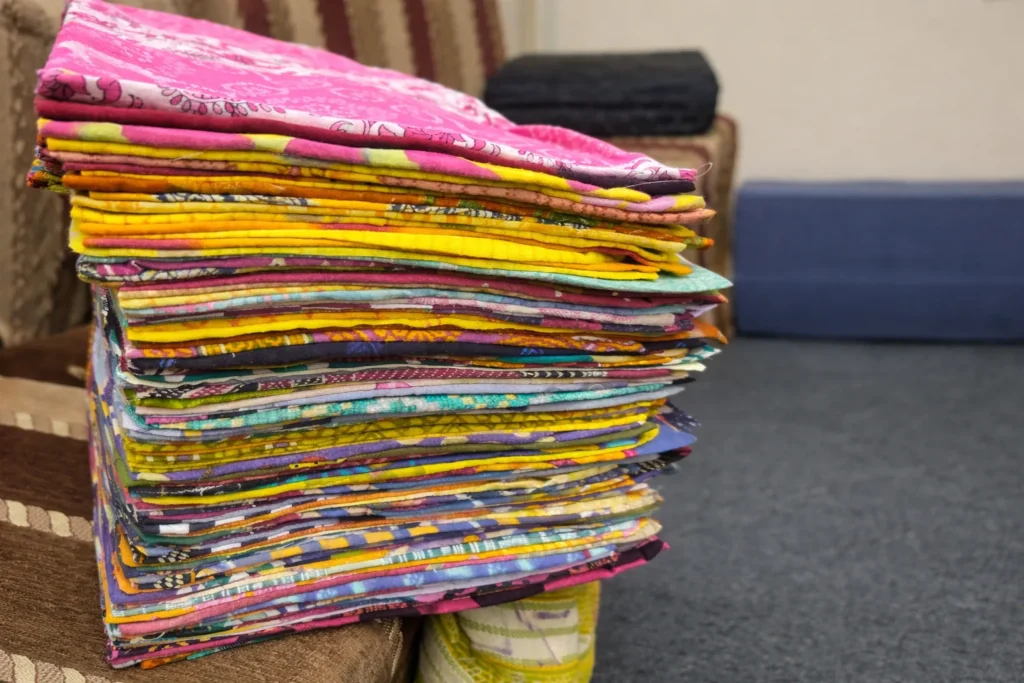
Two batches of cotton rags can look identical and perform completely differently. One is sorted carefully, texture-checked, sized consistently, and packed in workshop-ready condition. The other is an unsorted mix where half the pieces are too stiff, too small, or contain non-cotton blends that reduce absorbency where you need it most.
Before placing a bulk order, check for these four things:
- Texture – Soft and consistent throughout the batch, no rough or stiff patches
- Smell – Neutral throughout, no chemical odour or mustiness
- Cut size – Uniform across every piece in the batch, not random offcuts of varying dimensions
- Composition – Clearly cotton-dominant for oil and grease absorption tasks
Ask the supplier directly about their sorting and quality-check process. A supplier who has been doing this for decades will answer clearly and specifically. One without a proper process will be vague.
Frequently Asked Questions
Q1. Why does my cleaning cloth spread grease instead of removing it?
Most likely, the cloth is made from synthetic fibres. Synthetic materials are hydrophobic and push oil and grease sideways rather than absorbing them. Switching to a cotton rag made from pre-used fabric addresses this immediately. Cotton absorbs on contact and holds the substance inside the fibre rather than smearing it across the surface.
Q2. Is old dhoti for cleaning hygienic enough for use in industrial environments?
Yes, when properly processed. Pre-used cotton fabric is sorted, checked for odour and texture, and supplied in workshop-ready condition. Its extended wash history makes it softer and more absorbent than fresh cotton, and any loose fibres that would otherwise cause lint problems have already come away through prior use.
Q3. How many passes should a good oil and grease cleaning cloth need on a heavily soiled surface?
A well-sorted cotton rag should handle most oil and grease in one to two passes. If workers are consistently needing four or five passes on the same surface, the cloth is the problem. Synthetic cloth or poorly sorted mixed-fibre rags are almost always the cause.
Q4. What should I check before ordering cotton cleaning cloth for industry in bulk?
Check four things: texture (soft, no stiffness), smell (neutral, no harsh odour), cut size (uniform across the batch), and composition (clearly cotton-dominant). Ask the supplier directly about their sorting and quality-check process. Established old dhoti suppliers with decades of experience will give you a direct, specific answer rather than a vague one.
Q5. Does the colour of the cleaning cloth matter for oil and grease tasks?
Yes, for practical reasons. White cloth shows contamination immediately, making it ideal for inspection stations and precision work where you need to know exactly when a piece is spent. Coloured cloth stays visually usable longer and suits high-volume general cleaning. Matching the right variant to the right task reduces cloth consumption and improves cleaning outcomes across every shift.
Final Word
Cleaning failures in a workshop rarely come from a lack of effort. Workers are doing the job. The problem is the cloth they are doing it with.
Choosing the right oil and grease cleaning cloth is not a minor procurement decision. It affects cleaning speed, surface quality, contamination risk, and real cost per shift across your entire operation. Switching to properly sorted, pre-used cotton cloth removes a recurring problem that most workshops do not even realise is coming from the rag bin.
Shiv Enterprises has been supplying quality-sorted cotton cleaning materials to India’s leading industries since 1987. From automotive workshops across Delhi NCR to engineering plants around the country, the commitment has stayed the same: consistent quality, fair pricing, and delivery that keeps your production schedule on track.