
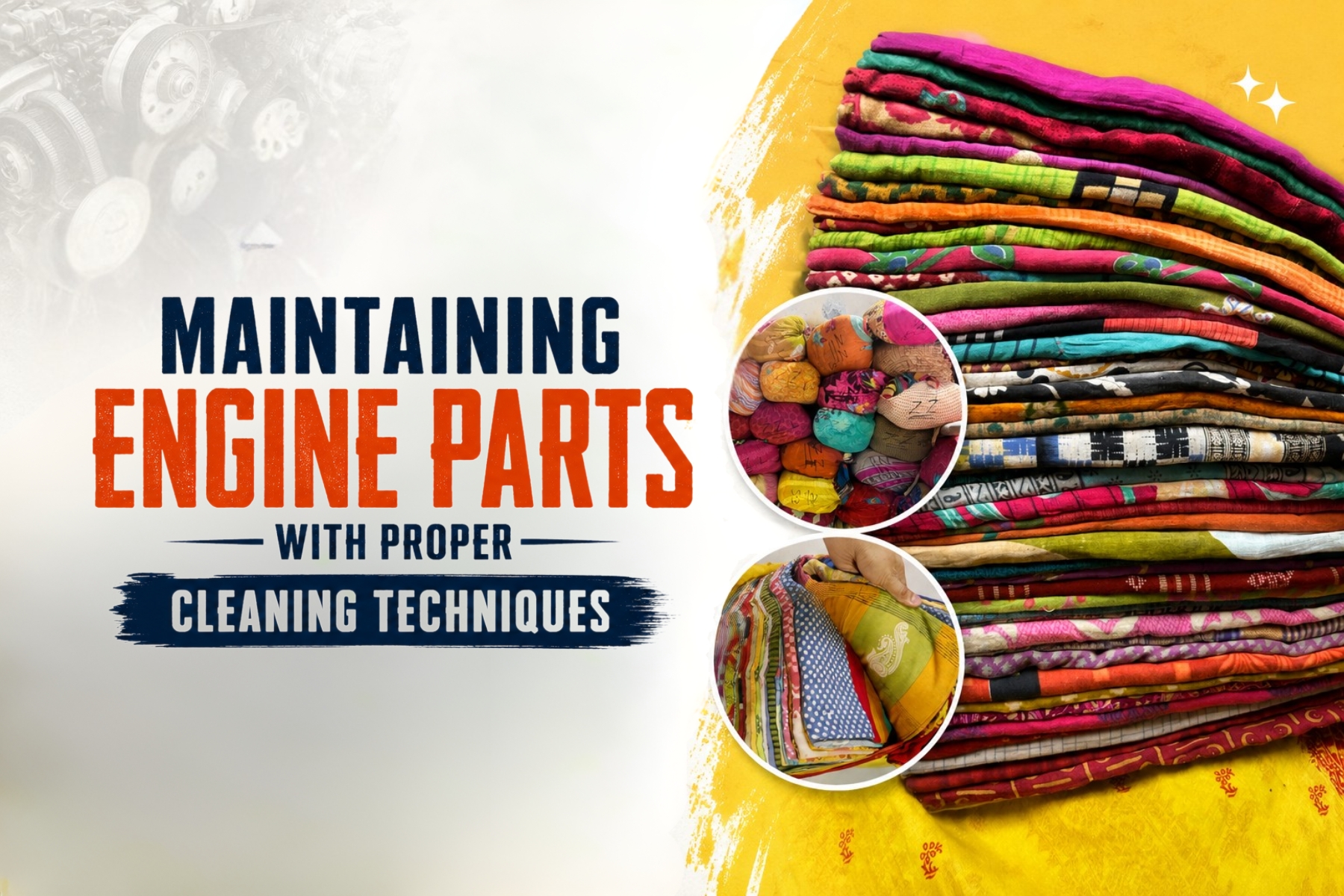
Walk into any serious automotive workshop in India and watch what happens between jobs. A mechanic finishes a repair, picks up a piece of cleaning cloth, wipes down the engine component, and moves on. No fuss. No special equipment. Just a reliable piece of cloth that does the job cleanly and quickly.
That habit is not accidental. It is the result of years of testing what actually works on the workshop floor. And the answer, consistently, comes back to one thing: the right cleaning material used in the right way.
This post covers how to clean engine parts properly, what cleaning cloth to use for each task, and why cotton rags remain the workshop standard across Indian industries.
Why Cleaning Engine Parts the Right Way Actually Matters
Engine parts work in a harsh environment. Oil, grease, coolant, carbon deposits, and metal shavings accumulate constantly. Left unchecked, this contamination leads to friction, overheating, and premature component failure.
But cleaning itself can cause damage if done incorrectly. The wrong cloth leaves lint inside precision assemblies. A stiff or abrasive material scratches machined surfaces. Insufficient wiping leaves residue that interferes with seals and gaskets.
The goal is simple: remove contamination without introducing new problems. And the cleaning material you choose is central to achieving that.
Choosing the Right Cleaning Cloth for Engine Work
Not all workshop clothes perform equally. For engine cleaning tasks, the material needs to absorb fluids on contact, resist tearing under pressure, and leave no fibre residue on precision surfaces.
Cotton rags consistently outperform synthetic alternatives in this environment. Cotton fibres are naturally hydrophilic, meaning they pull oil and moisture into the fabric rather than spreading it across the surface. Synthetic cloth repels liquids, which means more wipe passes and longer cleaning time per task.
For most workshops, the best-performing options are:
- Old Dhoti White for precision components, inspection tasks, and surfaces that need to stay scratch-free.
- Old Dhoti Colour for high-volume general cleaning, floor wipes, and tool maintenance.
- Cutting Cloth (Cotton or Cotton-Nylon Mix) for heavy grease removal, machine exteriors, and surfaces with metal debris.

Step-by-Step Engine Part Cleaning Techniques
Proper technique matters as much as the right cloth. Here is a reliable process used in workshops that supply automotive OEMs across India.
Step 1: Remove Loose Debris Before Any Wiping
Before touching any surface with a cleaning cloth, remove loose particles. Use compressed air or a soft brush to blow away metal shavings, dust, and dry deposits from the part.
This step prevents you from dragging abrasive particles across precision surfaces during the wipe. A single pass with a particle-loaded cloth can create micro-scratches that show up in quality inspection.
Step 2: Apply Solvent or Degreaser to the Cloth, Not the Part
When using a degreaser or cleaning solvent, apply it to the cloth first. Pouring solvent directly onto engine parts can push contamination into gaps, threads, and seal grooves where it becomes difficult to remove.
A damp cleaning cloth gives you control over exactly how much fluid contacts each surface. Cotton rags absorb the solvent without dripping, which keeps the cleaning process contained and efficient.
Step 3: Wipe in One Direction, Not in Circles
Circular wiping spreads contamination. It moves oil and grease across a larger surface area instead of lifting it away. On machined surfaces, it also increases the risk of creating swirl marks.
Wipe in a single direction, fold the cloth to expose a clean section, then make the next pass. This technique ensures each pass removes contamination rather than redistributing it.
Step 4: Use a Dry Cloth for the Final Pass
After the solvent wipe, always follow with a dry cotton rag to remove any remaining moisture or solvent residue. Solvent left on engine surfaces can affect gasket material, rubber seals, and painted components.
A dry piece of old dhoti for cleaning absorbs residual solvent cleanly and leaves the surface ready for reassembly or inspection. This final step is especially important before applying fresh gaskets, thread sealants, or lubricants.
Cleaning Specific Engine Components: What to Use Where
Different components require different levels of care. Using the right type of industrial cleaning cloths for workshop environments means matching the cloth to the task, not just grabbing whatever is closest.
- Cylinder heads and valve covers: Use soft white cotton rags. These surfaces are often painted or have polished finishes that scratch easily. The cotton old dhoti is pre-softened from prior use, making it safe on finished metal from the first wipe.
- Oil pans and sumps: Use cutting cloth or coloured cotton rags. These surfaces carry heavy grease and carbon deposits. A durable, absorbent cloth handles the load without tearing mid-wipe.
- Gasket mating surfaces: Always use dry white cotton cloth for the final wipe. Any oil or solvent residue on a gasket surface compromises the seal. A clean, dry cotton rag removes the last traces before assembly.
- Bearing housings and precision bores: Use low-lint white cotton only. These are high-tolerance areas where fibre contamination causes serious damage. Well-sorted cotton rags shed minimal fibres, unlike synthetic alternatives.
- Engine exteriors and block surfaces: Colour cotton rags or cutting cloth work well here. Less precision is required, and the focus is on removing accumulated grime quickly.
Why Workshops Source from Dedicated Old Dhoti Suppliers
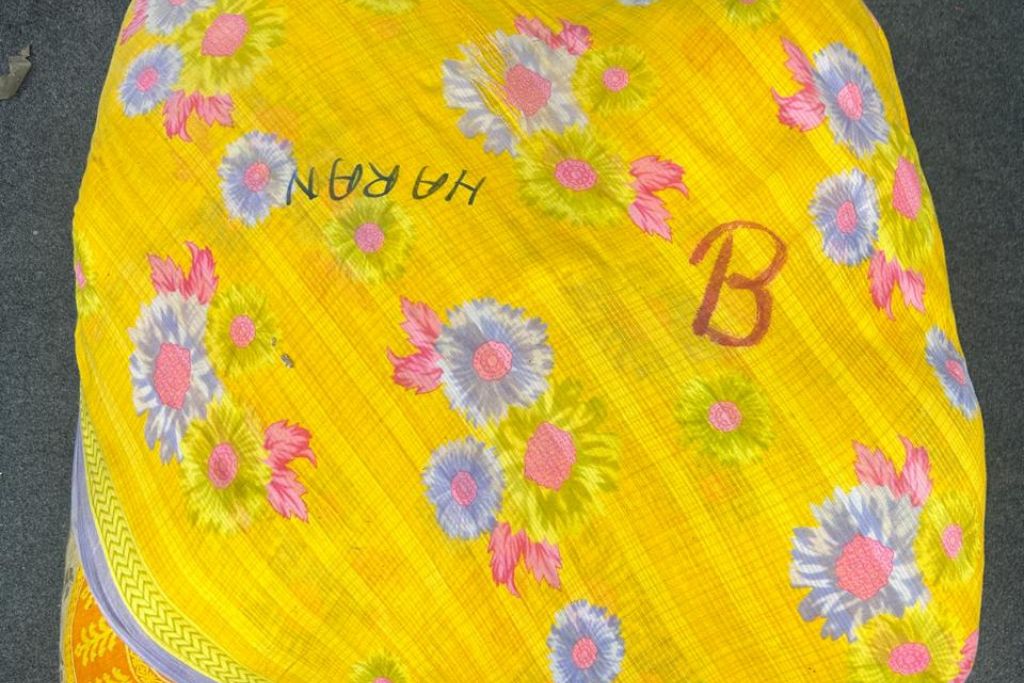
Procurement managers at serious workshops do not buy cleaning cloth at random. They source from old dhoti suppliers who sort and quality-check every batch before dispatch.
Here is why that matters:
- Consistent sizing: A properly cut cloth is easier to handle and reduces waste per task.
- Sorted composition: You know whether you are getting pure cotton or a mix. For precision tasks, composition matters.
- Pre-washed material: The old dhoti has been washed repeatedly through prior use. Loose fibres have already come away. What reaches the workshop is stable, soft, and lint-free.
- Reliable supply: A workshop running three shifts cannot afford to run out of cleaning materials. An established supplier delivers on schedule, every time.
Common Cleaning Mistakes That Damage Engine Parts
Even experienced mechanics make these errors when rushing through a job. Avoiding them keeps components in better condition and reduces rework.
- Using synthetic cloth on precision surfaces. Synthetic rags are stiffer and shed microfibres. On machined surfaces, this means scratches and contamination.
- Reusing a saturated cloth. Once a cloth is fully loaded with oil or solvent, it smears rather than absorbs. Switch to a fresh piece.
- Skipping the dry wipe after solvent cleaning. Solvent residue on gasket surfaces or bearing bores causes failures downstream.
- Using unsorted or mixed-composition rags on critical components. A low-quality batch with unknown composition introduces unpredictable lint and abrasion risk.
Frequently Asked Questions
Q. What type of cleaning cloth is best for wiping engine components?
Soft cotton rags, particularly white old dhotis, are the most suitable option for engine components. Cotton absorbs oil and grease on contact, stays gentle on machined and painted surfaces, and sheds fewer fibres than synthetic alternatives. For precision areas like bearing housings or gasket surfaces, always choose low-lint, well-sorted cotton.
Q. How do cotton rags compare to synthetic cloth for industrial engine cleaning?
Cotton absorbs fluids, while synthetic repels them. In a workshop handling engine oil, hydraulic fluid, and coolants, cotton rags complete the same cleaning task in fewer wipe passes. Synthetic cloth also sheds microfibres that can contaminate filters and precision assemblies. Cotton old dhoti, pre-softened from prior use, delivers better results with less risk.
Q. Why is a dry final wipe important after cleaning engine parts with solvent?
Solvent residue left on engine surfaces can degrade rubber seals, compromise gaskets, and interfere with thread sealants or lubricants applied during reassembly. A final pass with a dry cotton cloth removes this residue completely. It is a short step that prevents expensive failures downstream.
Q. What should I look for when sourcing industrial cleaning cloths for a workshop?
Check four things: texture (soft on first touch), composition (cotton-dominant for absorbency tasks), cut consistency (uniform sizing throughout the batch), and odour (neutral, no harsh chemicals). A reliable supplier will have a documented sorting and quality-check process. For workshops running multiple shifts, a timely and consistent supply is equally important.
Q. When should I use a cutting cloth instead of an old dhoti for engine cleaning?
Use cutting cloth for heavier tasks: engine block exteriors, oil pans, machine surfaces with accumulated grease or metal debris, and workshop floors. Cutting cloth is more durable and handles rough surfaces without tearing. For precision components, finished surfaces, and tasks where lint control is critical, stick with soft white cotton old dhoti.
Final Word
Maintaining engine parts well is not only about the mechanic’s skill. It is about having the right materials in hand at every step. The right cleaning cloth used correctly removes contamination without adding new problems.
Cotton rags, specifically well-sorted old dhotis, remain the standard across Indian automotive, engineering, and manufacturing workshops because they deliver consistent, reliable performance. They absorb on the first pass, stay soft on sensitive surfaces, and produce minimal lint in precision assemblies.
Source your industrial cleaning cloths from a supplier who sorts, checks, and delivers consistently. Shiv Enterprises has been doing exactly that for over 38 years, supplying quality-sorted old dhotis, cutting cloth, and hand gloves to India’s leading automotive and manufacturing workshops. It removes one variable from your operations and keeps your workshop running the way it should.