
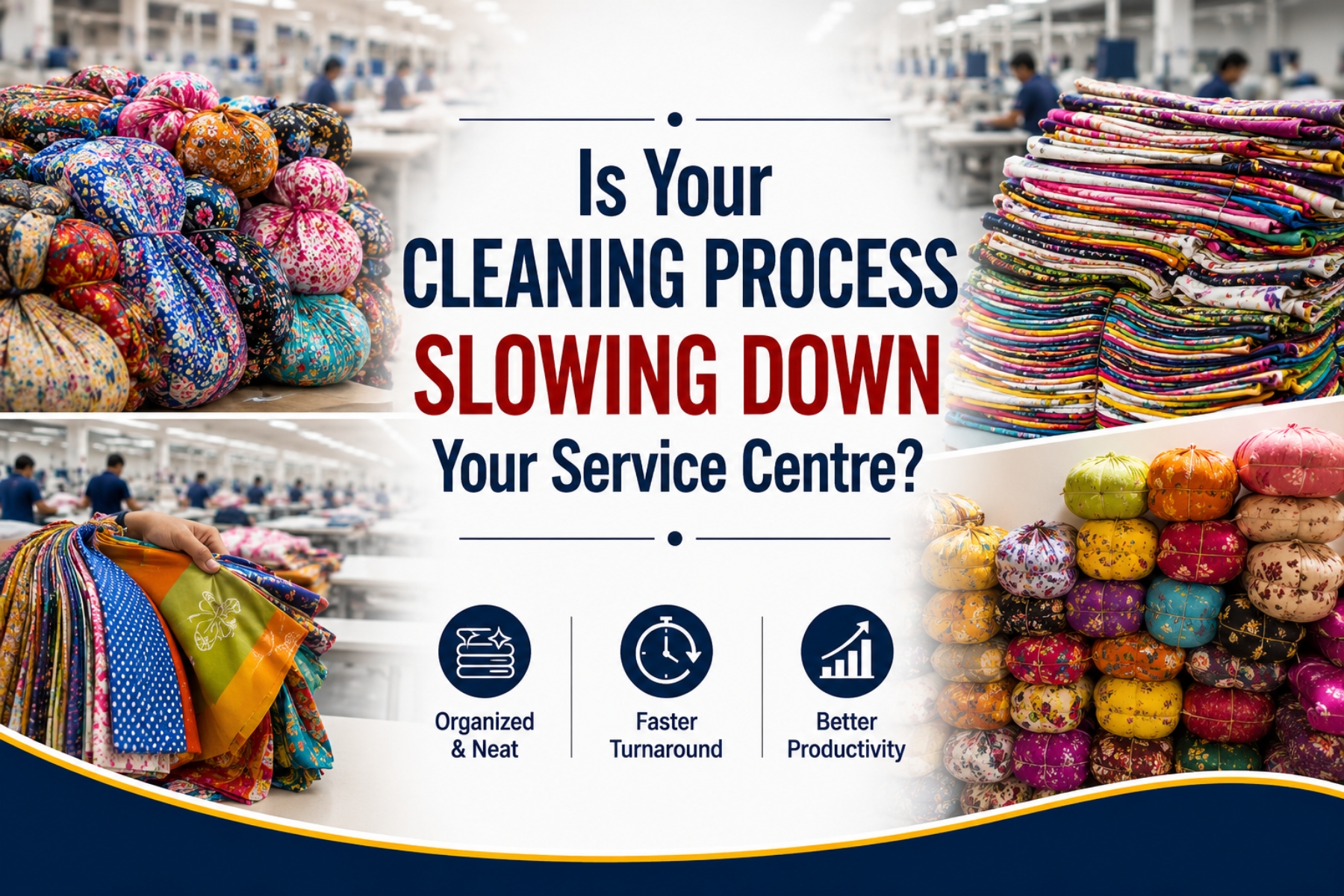
Picture this: a technician finishes replacing brake pads. He reaches for a synthetic rag, wipes the calliper three times, and the grease is still there. He grabs another. Then another. Meanwhile, the next job is waiting.
This is not an equipment problem. It is a cleaning materials problem. And it is happening in service centres across India every single day.
If your bay turnaround time is longer than it should be, if your technicians are burning through wipes at an alarming rate, or if your machines keep picking up residue after cleaning, your choice of cotton rags and industrial cleaning cloths may be the root cause.
Here is how to diagnose the problem and fix it.
Signs Your Cleaning Process is Creating a Bottleneck
Most service centre managers focus on tools, equipment, and scheduling when they look at efficiency. Cleaning materials rarely make the list. That is a mistake.
Watch for these signs:
- Technicians use multiple wipes to clean a single surface. Cotton rags that absorb properly should handle the job in one or two passes. If your team is going through four or five, the cloth is not doing its job.
- Surfaces look clean, but leave residue on parts. This often points to lint from low-quality synthetic or unsorted cleaning cloth. Fibres settle on machine components and filters, causing contamination downstream.
- Rework is happening at the paint shop or QC stage. Micro-scratches from a stiff, synthetic cleaning cloth show up later in the process. By then, the damage is already done.
- Your monthly wiper spend keeps creeping up. If you are replacing your industrial cleaning cloths stock every few weeks without a volume change, the material is underperforming.

Why Cotton Rags Outperform Everything Else on the Workshop Floor
The answer comes down to how cotton is built at a fibre level.
Cotton fibres are naturally hydrophilic. They pull oil, grease, and coolants into the fabric and hold them there. Synthetic fibres do the opposite. They push liquids around the surface rather than absorbing them.
In practice, this means a good cotton rag finishes a wipe in one or two passes. Synthetic cloth needs four or five for the same result. Multiply that across fifty technicians doing hundreds of wipes per shift, and the time loss becomes substantial.
Here is what quality cotton rags deliver that synthetic alternatives cannot match:
- Single-pass absorption of engine oil, hydraulic fluid, and lubricants.
- Soft contact that does not scratch painted panels or machined surfaces.
- Low lint output that protects precision components and filters.
- Immediate performance on contact, with no preparation required.
- Consistent results across every piece in a sorted, quality-checked batch.
The Old Dhoti Advantage: Why It Has Been the Industry Standard for Decades
An old dhoti is not a compromise or a budget shortcut. It is a material that has been field-tested in Indian workshops since before most of today’s service centres existed.
Original dhotis were woven to be soft, absorbent, and washable for everyday use. When repurposed for industrial cleaning, those same properties become direct performance advantages.
Because the fabric has already been through real-world washing cycles, it arrives pre-softened. There is no stiffness to break in. The loose fibres have already shed through prior use, which means what reaches your workshop is a stabilised cloth that cleans without depositing lint on components.
This is also why experienced procurement managers in automotive, engineering, and manufacturing industries keep coming back to it. Not out of habit. Because it consistently does the job.
Reuse Dhoti Cloth for Efficiency: The Smarter Way to Manage Cleaning Costs
One of the most overlooked efficiencies in any service centre is how cleaning materials are managed after the first use.
Many workshops treat every cotton rag as single-use. That is unnecessary and expensive. A quality old dhoti, when properly sorted, can handle multiple rounds of cleaning before it needs to be retired.
To reuse dhoti cloth for efficiency, set up a simple system:
- Step 1: Separate used cloth by contamination level immediately after use. Lightly soiled pieces can go to a secondary bin for general floor or exterior cleaning.
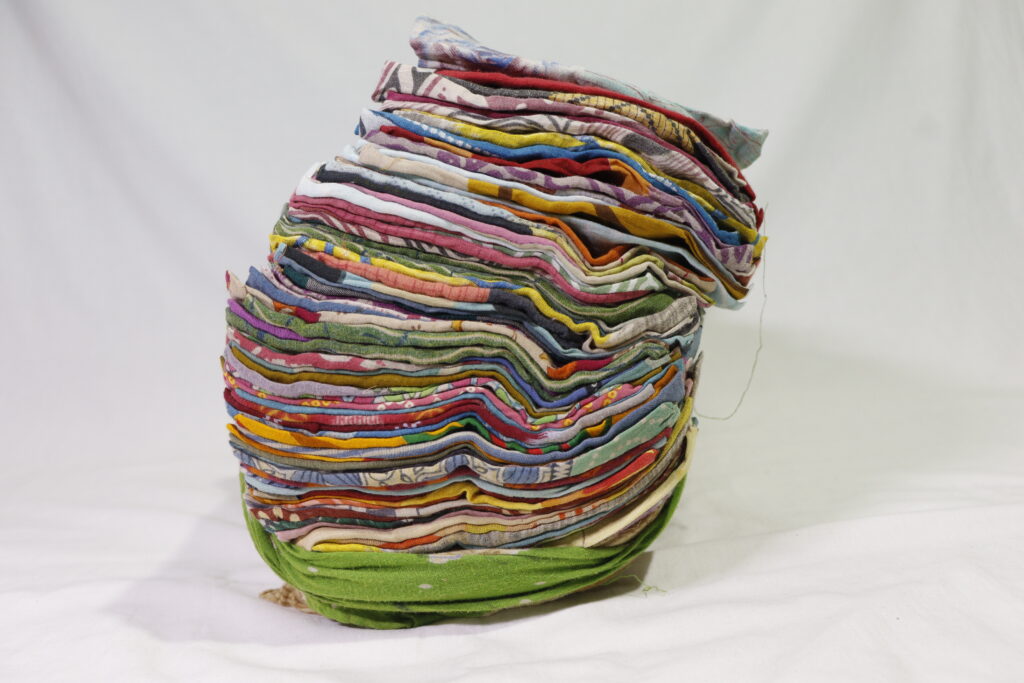
- Step 2: Assign cotton rags by task. White old dhoti for precision and QC work. Colour old dhoti for general machine and floor cleaning. Cutting cloth for heavy grease and metal shaving clean-up.
- Step 3: Set a clear disposal threshold so technicians know when a piece is done. Fraying edges or saturation past recovery are the usual signals.
This small system change reduces your monthly cloth consumption meaningfully without any drop in cleaning performance.
Choosing the Right Industrial Cleaning Cloth for Each Task
Not all cleaning jobs are equal. Using the right variant for the right task is where a lot of service centres leave efficiency on the table.
White Old Dhoti: Precision and Inspection Work
The undyed surface shows contamination clearly. Technicians know exactly when to switch to a fresh piece, which is critical during component inspection, paint prep, and quality checks. This is your cleanroom-grade option.
Colour Old Dhoti: High-Volume Daily Cleaning
The dyed surface masks staining, so each piece stays usable for longer. Best suited for tool wipes, general surface cleaning, and floor maintenance where visual inspection of the cloth is less critical.
Cutting Cloth: Heavy-Duty Workshop Use
For machine exteriors, workshop floors, and surfaces with metal shavings or heavy grease build-up. The cotton-nylon mix offers added durability without sacrificing the absorbency that makes cotton industrial cleaning cloths effective.
What to Look for in a Cotton Rags Supplier
The quality of your cleaning cloth is only as good as the sorting and processing behind it. A poorly sorted batch delivers inconsistent performance, unexpected lint, and variable sizing that wastes material.
Before placing a bulk order with any supplier, check these four things:
- Texture: The cloth should feel soft on first touch. Stiffness means it has not been properly pre-washed and may scratch surfaces.
- Smell: Neutral. No harsh chemical odour. Any strong smell indicates poor storage or processing.
- Cut consistency: Uniform sizing across the batch. Random dimensions signal poor quality control and create waste during use.
- Composition clarity: The supplier should be able to clearly tell you whether a batch is pure cotton or a cotton-mix. This matters for absorbency-critical tasks.
A reliable supplier will have documented answers to all of these. If they cannot explain their sorting process, that is a red flag.
Frequently Asked Questions
1. Why are cotton rags better than synthetic wipes for service centres?
Cotton fibres absorb oil, grease, and coolants on contact. Synthetic fibres repel liquids, spreading them rather than capturing them. This means fewer wipe passes per task with cotton, which translates directly into faster bay turnover and lower cloth consumption per job.
2. How do industrial cleaning cloths affect machine performance over time?
Low-quality or synthetic cleaning cloths shed microfibres that settle in machine filters, seals, and precision assemblies. Over time, this leads to clogged filters, contaminated components, and unplanned stoppages. Quality-sorted cotton rags shed far fewer fibres, making them a safer choice for equipment longevity.
3. What is the best way to reuse dhoti cloth for efficiency in a busy workshop?
Sort used cloth by contamination level immediately after use. Lightly soiled pieces can continue in a secondary role for floor or exterior cleaning. Assign variants by task type, white old dhoti for precision work and colour old dhoti for general use, and set a clear disposal threshold so each piece is used to its full potential before being discarded.
4. How do I know if my cotton rags supplier is delivering consistent quality?
Check texture (soft, not stiff), smell (neutral, no odour), cut uniformity (consistent sizing in every batch), and composition clarity (the supplier can clearly state whether the batch is pure cotton or a mix). A trustworthy supplier will have a documented sorting and quality-check process and will answer these questions without hesitation.
5. Which type of old dhoti should I use for automotive paint shop cleaning?
A white old dhoti is the right choice for paint shop use. The undyed surface shows contamination clearly, so technicians can immediately identify when to switch to a fresh piece. It is also pre-softened from prior use, which means it will not create micro-scratches on painted panels or finished surfaces during the wipe process.
The Fix, in Plain Terms
If your cleaning process is slowing your service centre down, the solution is not more staff or better equipment. It is a better cleaning material.
Switch to quality-sorted cotton rags. Match the variant to the task. Set up a simple reuse system. And choose a supplier with a clear, consistent quality-check process.
These are not complicated changes. But the impact on bay turnaround time, wiper spend, and rework rates is measurable. Workshops that make this switch tend not to go back.