
Walk into any industrial facility, and you will find rolls of cutting cloth stacked in corners, stuffed in tool drawers, or sitting near every workstation. It is the most-used, least-talked-about supply in the building.
And increasingly, procurement teams are asking about nylon cutting cloth specifically. It is durable, widely available, and comes in various forms – including repurposed colour sports t-shirt material. But does that make it right for every situation?
The short answer: no. Understanding when nylon works – and when it does not – can save you money, protect your equipment, and stop a lot of quiet frustration on the workshop floor.
What Is Nylon Cutting Cloth Used For?
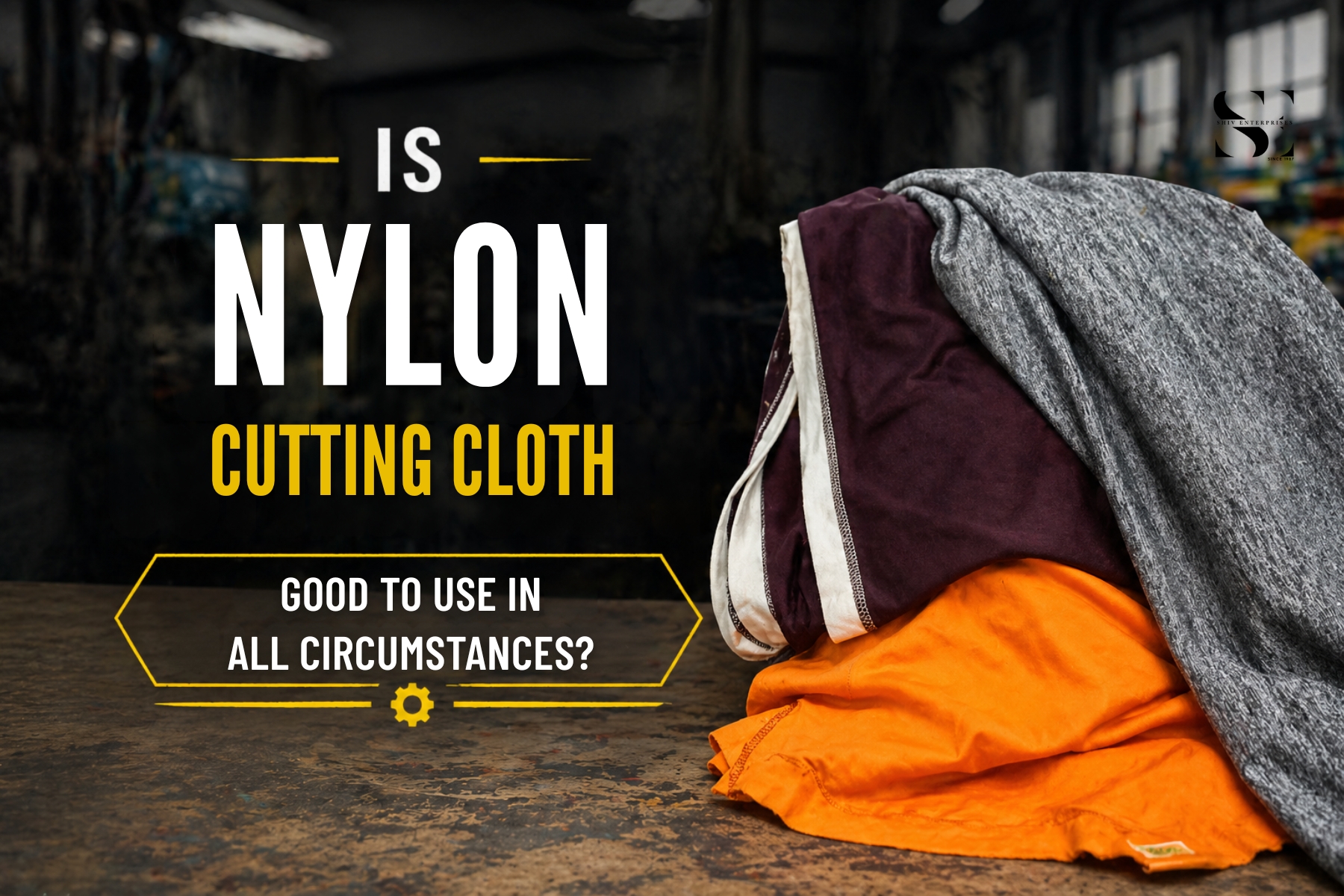
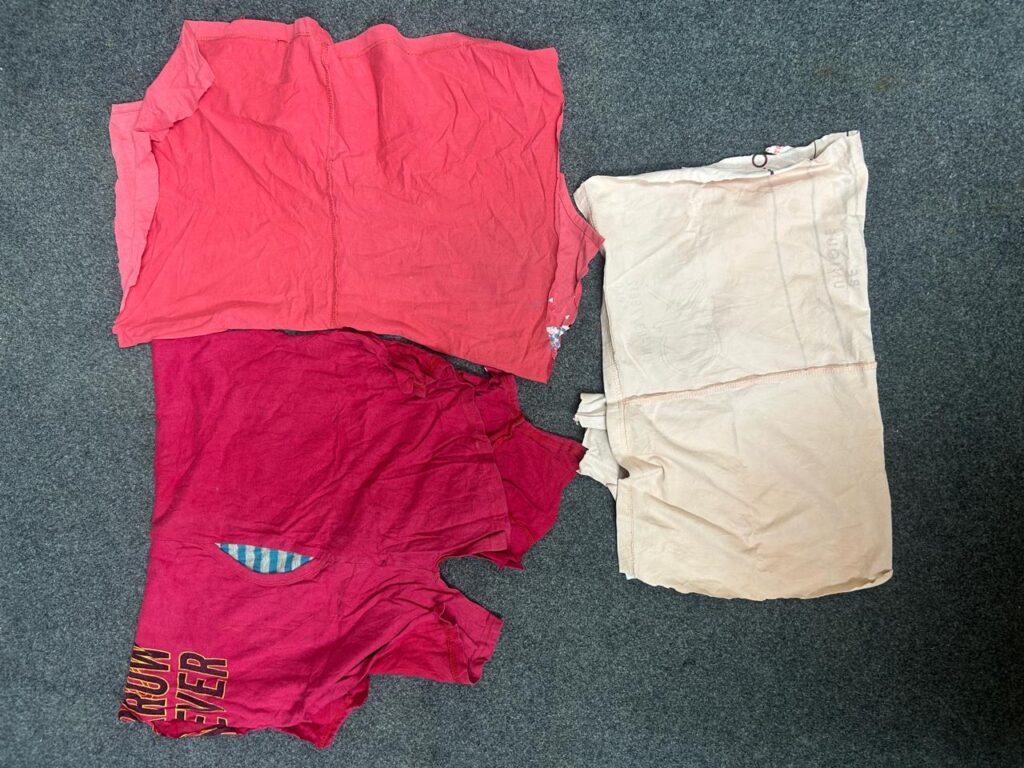
Nylon cutting cloth is a recycled fabric sourced from nylon-based garments, most commonly color sports t-shirt material. These are cut into uniform pieces and supplied as industrial cleaning cloths for workshops, auto garages, engineering units, and manufacturing floors.
The nylon composition gives this cloth a distinctly different character compared to cotton-based alternatives. It is tougher, more resistant to tearing, and holds its shape even under heavy use.
But “tough” does not always mean “right for the job.”
Where Nylon Cutting Cloth Actually Performs Well
Let us start with where it earns its place.
Heavy-Duty Surface Cleaning
Nylon cutting cloth handles rough, demanding tasks better than most alternatives. If you are cleaning workshop floors covered in metal shavings, wiping down machinery with caked-on grime, or scrubbing surfaces where friction matters – nylon holds up.
Cotton would wear through quickly in these conditions. Nylon does not.
Dry Wiping and Dust Removal
When the task is dry – removing dust, loose debris, or surface particles – nylon cloth for cleaning performs well. Its tighter weave picks up fine particles effectively without leaving behind fibres.
For general maintenance wipes where absorbency is not the priority, nylon is a practical, cost-efficient option.
Workstations Requiring Durability Over Softness
Some workstations deal with abrasive materials, sharp edges, or rough surfaces. In these environments, a softer cloth would degrade in minutes.
T-shirt for industrial use – especially pieces cut from nylon sports fabric – offer the right balance of flexibility and durability. Workers get a cloth that moves with the hand but survives the entire shift.
Where Nylon Cutting Cloth Falls Short
Here is where a lot of facilities go wrong. They find a cloth that works in one area and assume it works everywhere. With nylon, that assumption creates real problems.
It Does Not Absorb Liquids Well
This is the most important limitation, and it is non-negotiable.
Nylon is a synthetic fibre. It does not absorb oil, grease, coolant, or water the way cotton does. When you wipe a surface with a nylon cloth, you are often pushing liquid around rather than pulling it in.
For any task involving fluids – engine wipe-downs, lubrication cleaning, coolant spills – nylon cutting cloth underperforms. You will need more passes. Workers get frustrated. The surface stays contaminated.
Cotton-based industrial cleaning cloths are the correct tool here. Specifically, white dhoti variants for precision tasks, or colour dhoti for general fluid wipe-downs.
It Can Scratch Sensitive Surfaces
Nylon’s durability comes at a cost. It is not a gentle material.
On polished metals, painted panels, or precision-machined components, nylon can leave micro-scratches that are invisible on the floor but become costly during quality inspection.
Pre-paint panel wipes, component inspection, and finishing work require a softer cloth. Pre-washed cotton – especially printed or coloured cotton variants – is the standard for these applications. Nylon cloth for cleaning should stay away from any surface that is inspected for finish quality.
Lint Behaviour Varies by Source Material
Not all nylon cutting cloth is processed equally. Poorly sorted batches from mixed-fabric sources can shed synthetic fibres into machinery, filters, and moving parts.
This is a legitimate operational risk. Synthetic lint near a precision assembly or a moving component causes contamination issues that take time and money to diagnose.
When sourcing nylon cutting cloth, always ask about the supplier’s sorting and quality-check process. A supplier who cannot explain their process is a supplier who will send you inconsistent batches.
The Case for Colour Sports T-Shirt Cutting Cloth in Industrial Use
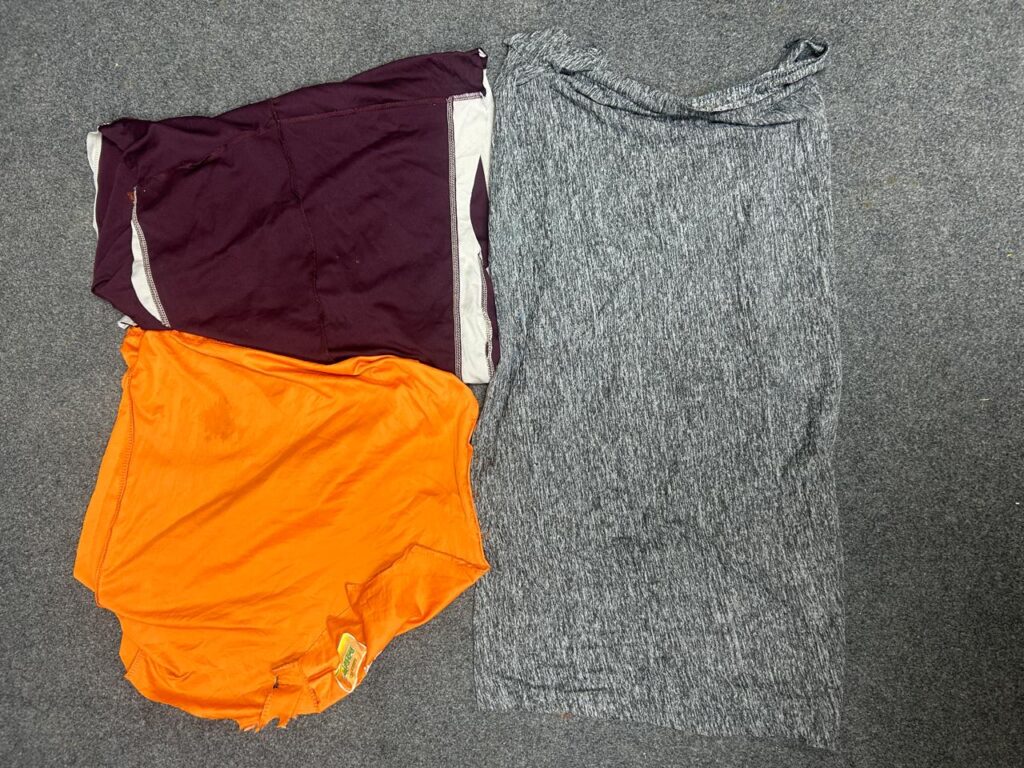
One of the most widely used forms of nylon cutting cloth in Indian industries is sourced from coloured sports t-shirt material. This fabric strikes a useful middle ground.
It is tougher than standard cotton but carries flexibility from the original t-shirt construction. For a T-shirt for industrial use applications – mixed-surface wiping, heavy-duty floor cleaning, tool wipe-downs – it is a practical choice.
Many workshops across Delhi NCR source this specifically for their maintenance crews who deal with both floor debris and dry surface cleaning in the same shift. It handles task variety without falling apart mid-use.
That said, the same rule applies: keep it away from fluid-intensive jobs and sensitive surfaces. Use it where durability matters more than absorbency.
What to Check Before You Source Nylon Cutting Cloth in Bulk
Not every supplier handles nylon cutting cloth the same way. Before placing a bulk order, verify these four things:
- Source material:- Sports t-shirt fabric is more consistent than random mixed-fabric cuts.
- Composition sorting:- Mixed synthetic and cotton batches behave unpredictably.
- Cut uniformity:- Inconsistent sizing creates distribution problems across workstations.
- Lint and thread check:- Loose threads and excess lint are contamination risks near machinery.
A supplier who can answer all four confidently is worth working with long-term.
Frequently Asked Questions
1. Is nylon cutting cloth good for wiping oil and grease?
No. Nylon is a synthetic material and does not absorb liquids effectively. For oil and grease wipe-downs, cotton-based industrial cleaning cloths – especially white dhoti variants – are the correct choice. Nylon will push liquid around rather than absorbing it, which means more passes and more time wasted.
2. What is nylon cutting cloth typically made from?
Most nylon cutting cloth used in Indian industries is sourced from recycled colour sports t-shirt material. These are cut to uniform sizes and supplied as industrial cleaning cloths for workshops, auto garages, and manufacturing facilities.
3. Can nylon cutting cloth damage machinery if used near moving parts?
Yes, it can. Poorly sorted nylon cloth sheds synthetic fibres that contaminate filters and moving parts. Always source from suppliers with a documented sorting and quality-check process. For precision assembly areas, cotton-based cloth is the far safer choice.
4. Is nylon cloth for cleaning cheaper than cotton?
Pricing varies by supplier and batch quality. However, using nylon where cotton is required means more passes, more material consumed, and more worker time spent – which raises the real cost. The cheaper material is always the one matched correctly to the task.
5. Where does colour sports t-shirt cutting cloth work best in a workshop?
It works best for heavy-duty floor cleaning, tool wipe-downs, dry surface maintenance, and mixed-surface tasks where durability matters most. It is not recommended for fluid absorption tasks or surfaces that require a gentle wipe – such as painted panels, polished metals, or parts going into final inspection.
Final Word
Nylon cutting cloth is a genuinely useful material – but only in the right context. For heavy-duty dry cleaning, floor maintenance, and durable mixed-surface wiping, it earns its place in any workshop.
But it is not a universal solution. For fluid absorption, sensitive surfaces, and precision work, cotton-based industrial cleaning cloths remain the smarter choice.
The best-run workshops do not ask “which cloth is better?” They ask, “Which cloth is right for this task?” That shift in thinking is where real efficiency gains come from. At Shiv Enterprises, we supply both nylon and cotton cutting cloth – properly sorted, quality-checked, and delivered across Delhi NCR. Get in touch, and we will help you match the right material to your specific workstation needs.