
Walk into any automobile workshop or manufacturing plant in India, and you’ll notice one thing happening constantly. Workers are wiping, cleaning, and maintaining machines from the moment a shift starts to the moment it ends.
The cleaning material they use rarely gets a second thought. But it should.
The wrong cloth costs you more than you realise, in wasted time, in surface damage, in machine contamination, and in monthly procurement bills that quietly keep climbing. Getting this decision right is one of the smallest changes with one of the highest returns in industrial operations.
Why Your Cleaning Cloth Choice Directly Impacts Workshop Output
Most procurement teams treat cleaning materials as a commodity. Same shelf. Same price point. Any brand will do.
That thinking is expensive.
Cotton rags have been the go-to cleaning material in the Indian industry for good reason. They absorb oil, grease, coolant, and water by pulling the liquid in, not spreading it around. A worker using quality cotton can clean a machine surface in one or two passes. The same task with a poor-quality cloth takes four or five.
Multiply that across twenty workers and eight hours. The efficiency loss is real, and it adds up every single shift.
The Quiet Costs That Pile Up When You Get This Wrong
There is a version of this problem that shows up in your quality control data before it shows up in your procurement budget.
A stiff or synthetic cloth used near painted panels causes micro-scratches. Those scratches create rework. Rework delays production. Delayed production misses targets. All of it traced back to a cleaning cloth that cost a few rupees less per kilogram.
Choosing the right durable cleaning cloth is not about spending more. It is about not paying twice for the same job.
Here is what poor cleaning material actually costs a workshop:
- Rework and rejected parts from surface scratches and contamination.
- Machine downtime from lint or fibre getting into filters and assemblies.
- Worker frustration from material that does not perform under pressure.
- Inflated monthly spend from burning through clothes faster than necessary.
What Makes a Cleaning Cloth Fit for Heavy-Duty Industrial Use
Not every cloth belongs in a heavy-duty workshop. Consumer rags, kitchen wipers, and low-grade synthetic alternatives fail quickly under the demands of actual industrial use.
Here is what you need to look for before committing to any bulk order.
Absorbency is non-negotiable. The cloth must draw in oil, grease, and coolant on contact. If it sits on the surface instead of absorbing, it is not doing the job.
Softness on contact matters especially in paint shops, near polished metals, and around precision components. The cloth should feel soft the moment you pick it up, not after three washes.
Low lint output is critical in any environment with moving parts, filters, or fresh paint. Fibre contamination in the wrong place means machine stoppages and rejected finishes.
Consistent sizing across a batch matters for how supervisors distribute material across stations. Irregular sizes create waste and confusion on the floor.
Knowing Your Workshop Type Before You Buy
Different workshop environments have genuinely different requirements. A paint shop and a heavy machinery floor do not need the same cloth.
Understanding your specific use case before placing a bulk order saves money and avoids a situation where half your batch ends up being used for the wrong tasks.
Think through where your highest-volume cleaning happens. Is it precision work near sensitive surfaces? High-volume general wiping? Heavy floor and machinery cleaning? Each demands a different material composition and surface quality.
Breaking Down the Best Options for Industrial Cleaning
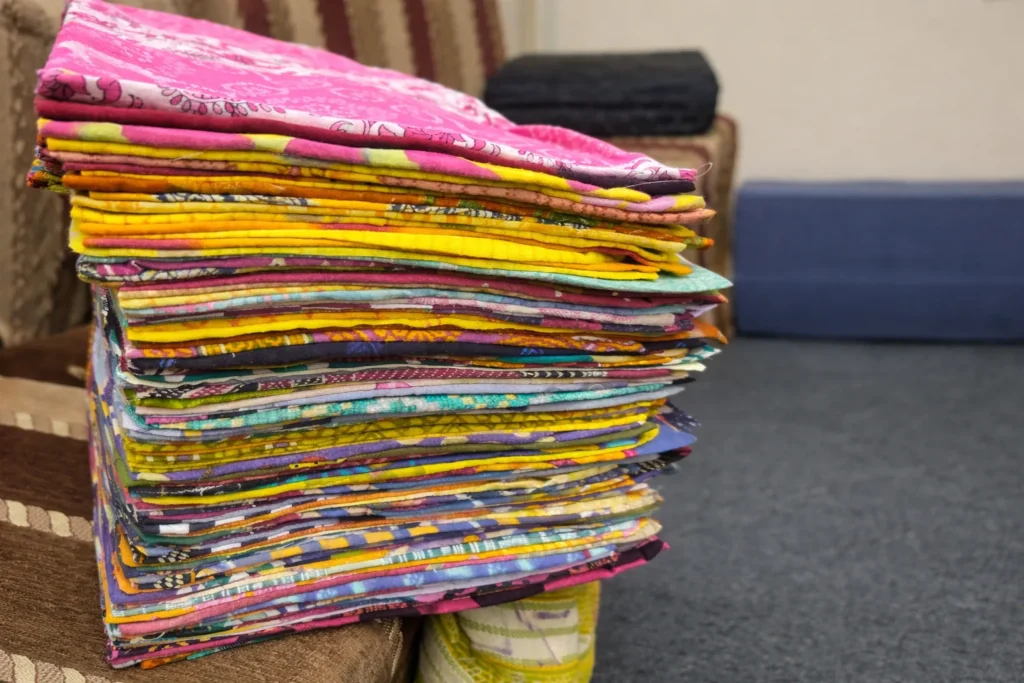
Old dhoti is arguably the most trusted cleaning material in Indian industrial history. Made from recycled cotton and pre-washed through real-world use, it arrives naturally soft and highly absorbent. There is no break-in period. Pick it up, and it performs immediately.
For tasks that require you to track contamination visually, a cotton white old dhoti is the right call. The undyed fabric shows absorbed grime clearly, which is exactly what quality control teams and paint shop workers need. You can see at a glance when a piece has done its job and needs replacing.
Matching the Right Variant to the Right Part of Your Workshop
Choosing one type of cloth for every task in your workshop is like using one tool for every job on the floor. It works until it doesn’t.
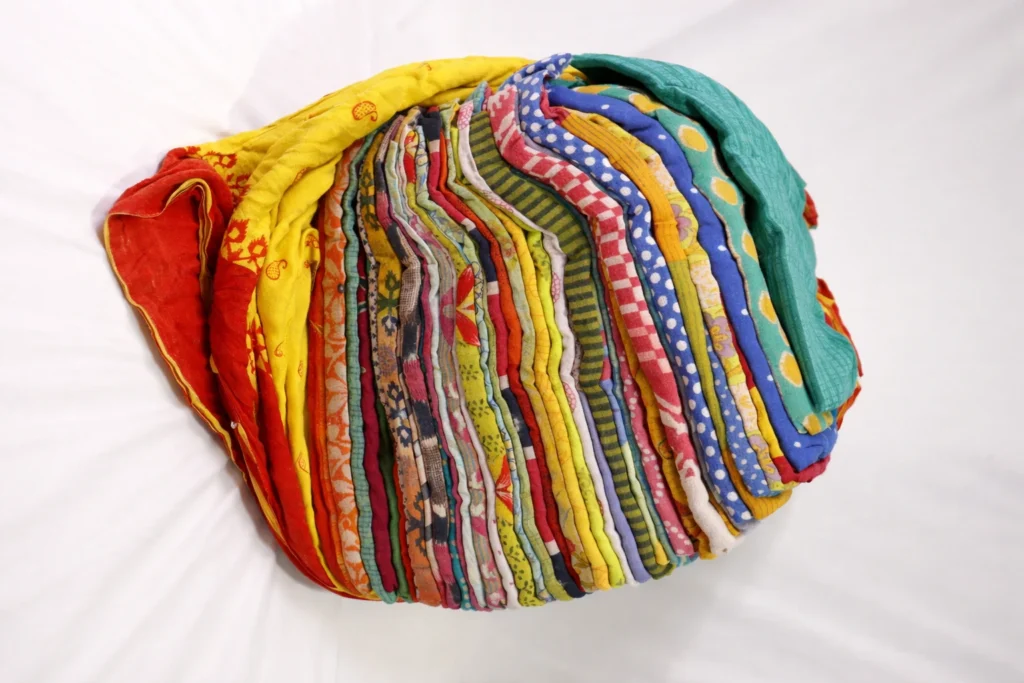
Colour old dhoti is the practical choice for high-volume general cleaning: tool wipes, floor surfaces, and general equipment maintenance. The dyed fabric absorbs staining without showing it immediately, which means each piece stays in active use longer before disposal. Your monthly material cost per unit of work actually drops.
For mixed-surface and heavy-duty applications, printed old dhotis for cleaning brings an underappreciated advantage. Its extended wash history makes it exceptionally soft, and it holds up through repeated use in demanding environments like floor cleaning, rough equipment surfaces, and mixed-material tasks.
Why Bulk Supply Consistency Matters Just as Much as Cloth Quality
Sourcing the right material is only half the problem. Receiving it consistently, at the right quality, in the right cutting sizes, is where most workshops run into real friction.
A poorly sorted batch is a procurement nightmare. Synthetic pieces mixed into a cotton order. Irregular cuts that don’t suit your workstation layout. Material that arrives stiff or smelling off from improper storage. These are not minor inconveniences. They slow down workers, frustrate supervisors, and create quality problems.
A reliable workshop cleaning cloth supplier delivers predictable results batch after batch. You should never have to inspect and sort a delivery yourself. That is the supplier’s job.
Check these five things before committing to any bulk order:
- Feel – soft immediately, not stiff or rough.
- Smell – neutral, no harsh or musty odour.
- Cut uniformity – consistent sizing across every piece in the sample.
- Fibre strength – a light tug should not cause tearing or fraying.
- Absorption speed – wet a corner and watch it pull in water within seconds.
What a Reliable Supplier Relationship Actually Looks Like
Cotton rags from a reputable supplier come with a documented sorting and quality-check process. Every batch is checked for absorbency, strength, lint output, and composition before it leaves the warehouse.
That consistency is what allows workshop managers to stop thinking about cleaning material as a procurement problem and start treating it as a solved one. You know what’s coming. Workers know what to expect. The variable is eliminated.
For workshops in Delhi NCR, working with a local supplier also means faster restocking when demand spikes mid-production. That operational buffer matters more than most managers account for until they are caught short.
Frequently Asked Questions
1. What is the main difference between white and coloured old dhotis for industrial use?
White variants are undyed, which makes contamination immediately visible on the cloth. This is valuable for quality control, paint shop preparation, and component inspection tasks. Colour variants are better suited for general high-volume cleaning where absorption matters more than contamination visibility. Each has a specific role in a well-managed workshop.
2. How do I verify the quality of a cleaning cloth before placing a bulk order?
Request a sample batch and run five quick checks: feel the texture (should be soft immediately), smell it (neutral, no harsh odour), check cut consistency across pieces, do a light pull test for fibre strength, and wet a corner to check absorption speed. Any batch that fails two or more of these checks will create problems at scale.
3. Is recycled cotton cloth hygienic enough for industrial use?
Yes, when it comes from a supplier with a proper washing and sorting process. Pre-washed recycled cotton is often softer and more absorbent than new fabric that hasn’t been broken in yet. The hygiene concern is valid only when sourcing from suppliers without a documented processing method.
4. How often should a workshop reorder cleaning cloth supplies?
Track consumption per shift over two or three weeks to establish a baseline. Set a reorder point that keeps at least two weeks of buffer stock on hand. Running out mid-production is a disruption that affects worker output and machine maintenance schedules. A reliable supplier with a consistent turnaround time makes this buffer easy to maintain.
5. Can cutting sizes be customised for specific workstation needs?
Yes. Reputable suppliers offer customised cutting sizes to match specific task requirements at each workstation. Consistent sizing also helps supervisors distribute material predictably across shifts and stations, reducing waste from pieces that are too large or too small for the task at hand.
Final Word
Heavy-duty workshops run on dozens of small decisions made well, every single day. Cleaning material is one of them.
Get the absorbency right. Match the variant to the task. Insist on consistency from your supplier. These are not complicated changes, but they have a real, compounding effect on how smoothly your workshop operates, how little rework your team deals with, and how predictable your monthly material costs stay.
The workshops that get this right do not think of cleaning cloth as a commodity. They treat it as a standard, and they hold their supplier to it.
When you are ready to set that standard for your workshop, Shiv Enterprises is ready to supply it. Get in touch to discuss your requirements.