

Walk into any serious industrial workshop in India: automotive, engineering, or manufacturing, and look at what workers are actually using to clean machines. In most cases, it is a piece of old cotton dhoti. Not a synthetic rag. Not a disposable paper wipe.
That is not a habit. It is a decision that experienced procurement managers have made, tested against real alternatives, and stuck with because it consistently delivers better results on the floor.
So why does old dhoti for cleaning keep winning over synthetic rags? This post breaks it down simply and clearly.
Cotton Old Dhoti vs. Synthetic Rags: What Is the Real Difference?
The core difference comes down to one thing: how each material handles liquids.
Cotton absorbs. Synthetic repels.
Cotton fibres are naturally hydrophilic. They pull moisture, oil, and grease into the fabric and hold it there. Synthetic fibres resist absorption. They push liquid around the surface rather than capturing it.
In a workshop environment where workers constantly deal with engine oil, hydraulic fluid, coolants, and lubricants, this single difference determines everything, from how many wipes it takes to clean a component to how quickly a worker moves to the next task.
Why Cotton Rags Outperform Synthetic in Real Workshop Conditions
Reusable cotton rags for cleaning absorb fluids in one or two passes. Synthetic alternatives often need four or five passes to do the same job.
That may sound minor. Multiply it across fifty workers doing hundreds of wipes per shift, and the time loss becomes significant.
Here is what cotton rags do better:
- Absorb oil and grease in a single wipe, cutting cleaning time per task.
- Hold moisture inside the fabric instead of spreading it across the surface.
- Work effectively on both wet and dry surfaces, adding versatility.
- Perform immediately on contact, with no pre-soaking or preparation needed.
Synthetic rags are built for durability, not absorbency. That serves some purposes. For industrial cleaning tasks involving heavy fluids and lubricants, they simply fall short.
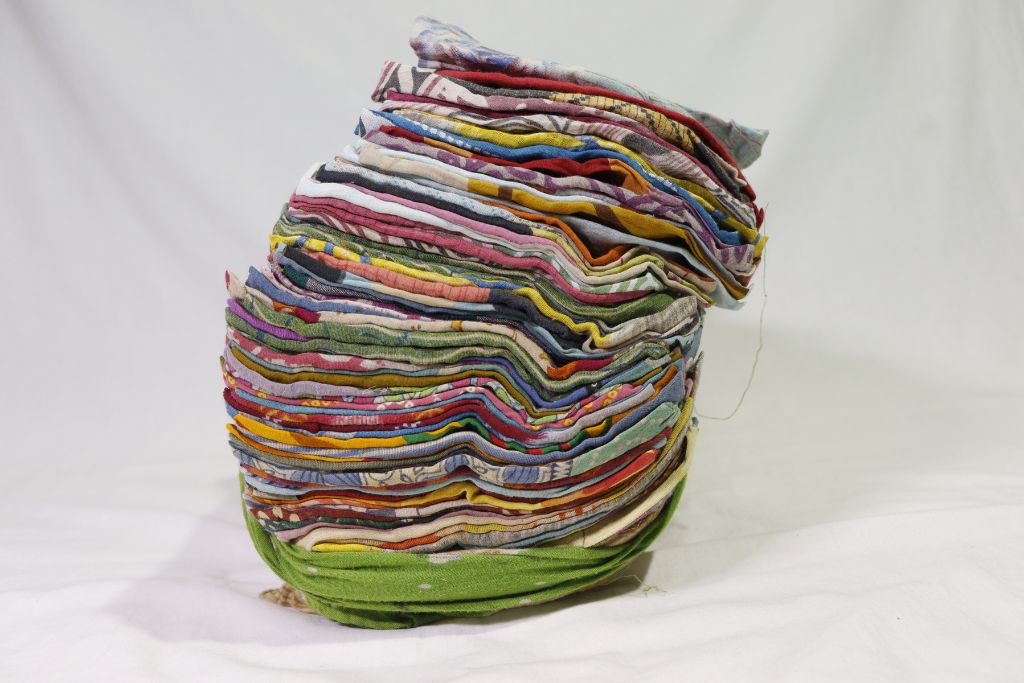
The Lint Problem No One Talks About
Synthetic rags shed microfibres during use. These fibres are invisible to the naked eye, but they settle on machine surfaces, get drawn into filters, and contaminate precision assemblies.
In environments with tight tolerances, this creates serious problems: clogged filters, compromised seals, and unexpected machine stoppages.
Cotton old dhoti, when properly sorted and processed, sheds significantly fewer fibres. The material has already been pre-washed through real-world use, which means loose fibres have come away naturally. What you receive is a stable, consistent cloth that cleans without leaving a contamination problem behind.
For workshops supplying components to automotive OEMs, where cleanliness standards are non-negotiable, this makes a measurable difference.
Old Dhoti for Cleaning Is Gentler on Machine Surfaces
Surface damage is one of the most expensive hidden costs in any workshop.
Synthetic cloth is often stiff, particularly when new. On painted panels, polished metals, and precision-machined components, a stiff cloth creates micro-scratches. These do not always show immediately. They appear during quality inspection, in the paint shop, or during final assessment.
Cotton old dhoti arrives pre-softened from prior use. There is no breaking-in period. The fabric is naturally gentle from the first wipe.
That makes it the right choice for:
- Final panel wipes before painting.
- Polished and finished metal surfaces.
- Precision-engineered components where surface integrity is critical.
- Assembly line tasks where finished parts are being handled.
No procurement manager wants to deal with rework caused by the wrong cleaning cloth. Cotton removes that risk.
Cotton Rags for Cleaning Deliver Better Value Per Rupee
Some buyers assume synthetic rags are the economical option because the purchase price is low. That calculation ignores what happens after purchase.
Reusable cotton rags for cleaning deliver more usable work per piece. A single piece of old cotton dhoti cleans what multiple synthetic pieces attempt and fail to do properly. The comparison is not just the purchase price. It is the cleaning performance per rupee spent.
Here is how the value equation plays out:
- Fewer pieces are used per task because cotton absorbs on the first pass.
- Less worker time per cleaning task because one wipe does the job.
- Reduced rework costs because surfaces are not being scratched.
- Lower disposal costs since each piece lasts longer before it is done.
A supplier offering consistent, quality-sorted cotton rags at competitive prices is not just selling cloth. They are removing a recurring cost problem from your operations.
Choosing the Right Cotton Old Dhoti Variant for the Right Task
Not all cotton rags perform identically. Choosing the right variant improves efficiency further.
White Old Dhoti
Best for precision work: quality control, component inspection, and paint shop use. The undyed surface shows contamination clearly, so workers know when to switch to a fresh piece.
Colour Old Dhoti
Better for high-volume daily cleaning: tool wipes, floor maintenance, and general surface cleaning. The dyed surface hides staining, keeping each piece usable for longer.
Cutting Cloth (Cotton or Cotton-Nylon Mix)
Designed for heavier tasks: workshop floors, machine exteriors, and surfaces with metal shavings or heavy grease. More durable, and still sufficiently absorbent for the job.
Matching the variant to the task reduces waste and makes your monthly spend go further without any drop in performance.

Why Cotton Old Dhoti Has Remained the Industry Standard for Decades
There is a reason the old dhoti has been used in the Indian industry for decades, while synthetic alternatives have come and gone.
It works. Reliably. Every shift.
The material comes from recycled dhotis, fabric originally woven for daily wear, designed to be soft, absorbent, and washable. When repurposed for industrial cleaning, those same properties become direct performance advantages.
Experienced procurement managers who have tried the alternatives tend to return to their old cotton dhoti. Not out of tradition. It is because it consistently outperforms on the metrics that actually matter: absorbency, surface safety, lint control, and cost per task.
Frequently Asked Questions
1. Why do Indian industries prefer the old cotton dhoti over synthetic rags?
Cotton naturally absorbs oil, grease, and coolant. Synthetic cloth repels liquids rather than absorbing them. For workshops constantly handling lubricants and fluids, cotton delivers faster and cleaner results with far fewer wipe passes.
2. Are reusable cotton rags for cleaning hygienic enough for industrial use?
Yes, when properly sorted and processed. Pre-used cotton fabric is washed before supply, and its extended wash history makes it softer and more absorbent than fresh cloth. Quality suppliers check each batch for odour, texture, and contamination before dispatch.
3. Does old dhoti for cleaning create lint problems on machines?
Well-sorted cotton old dhoti sheds far fewer fibres than cheap, unsorted alternatives. The quality of sorting and processing is the key variable. A consistently quality-checked batch delivers low-lint performance that protects machine components and filters.
4. Is the old cotton dhoti suitable for automotive workshops specifically?
Yes. It is the most widely used cleaning material in automotive workshops across India. It handles engine fluids, lubricants, and coolants effectively. Its soft texture also makes it safe for use on painted panels and machined surfaces where scratch risk must be kept low.
5. How do I evaluate a cotton rags supplier before placing a bulk order?
Check four things: texture (soft on first touch), smell (neutral, no harsh odour), cut uniformity (consistent sizing throughout the batch), and composition (cotton-dominant for absorbency tasks). Always ask about their sorting and quality-check process. A reliable supplier will have a clear, documented answer.
Final Word
The preference for old dhoti over synthetic rags is not sentiment or habit. It is a practical, well-tested decision backed by real workshop performance: better absorbency, lower lint, gentler on surfaces, and more value per piece.
These are not small advantages. They are the difference between a workshop that runs smoothly and one that keeps dealing with the same preventable problems, shift after shift.