

Gurgaon’s manufacturing hubs are shifting toward cleaning materials that are affordable, absorbent, and easy to source in bulk. Right now, one of the biggest industrial cleaning trends among plant managers is moving away from synthetic wipes and back to cotton-based cloth for daily machine maintenance. In simple terms, cotton is winning because it cleans better, costs less over time, and doesn’t leave behind fibre residue on precision parts.
What’s Driving the Shift on the Shop Floor
Facility managers across Gurgaon’s automotive and engineering belt are rethinking their cleaning supply chains. A few factors are pushing this change:
- Rising costs of synthetic wipers and paper-based alternatives
- Stricter housekeeping standards on production floors, especially where automotive OEMs audit vendors
- Sustainability targets that reward the use of recycled materials
- Faster turnaround needs, where bulk, ready-to-use cloth beats waiting on custom orders
These pressures are nudging plants toward suppliers who can deliver consistent quality at scale.
Why Cotton Is Back in Demand
Cotton has quietly become the default choice for wiping machinery, absorbing oil, and general workshop cleanup. It’s soft on surfaces, highly absorbent, and doesn’t scratch precision components the way rougher synthetic materials can.
This is exactly why cotton rags for industrial cleaning are showing up more often in procurement lists this year. Plants that switched report fewer complaints about lint on machined parts and lower per-unit cleaning costs across the board.
Old Dhoti in Gurgaon: A Practical, Local Choice
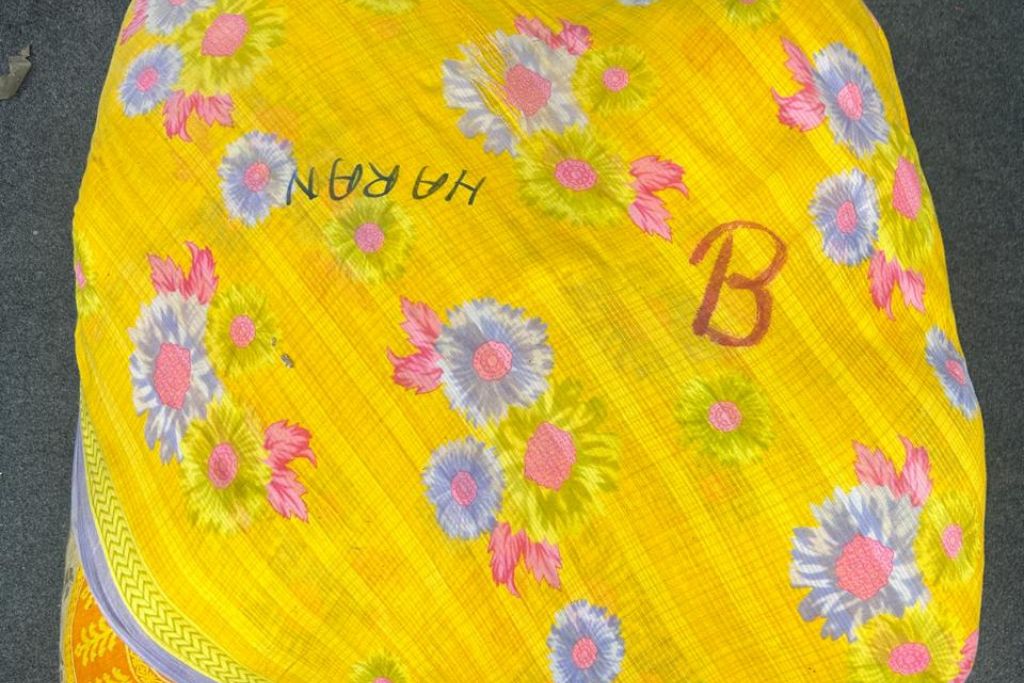
Old Dhoti in Gurgaon manufacturing units has become a familiar sight, and for good reason. It’s a recycled cotton material that offers strong absorbency without the added cost of new fabric production.
Workshops use it for:
- Wiping down machinery after routine maintenance
- Cleaning grease and oil spills on the floor
- Polishing and surface prep before painting
- General daily housekeeping in production areas
Because it’s sourced locally and supplied in bulk, it also cuts down on delivery delays that plants often face with imported or synthetic alternatives.
Choosing the Right Material for Your Facility
Not every cleaning task needs the same cloth. Here’s a quick breakdown that manufacturing teams are following:
- White cotton cloth works best for precision cleaning, polishing, and painting tasks where a lint-free finish matters
- Colour cotton cloth suits heavier daily wiping, grease removal, and general machine maintenance
- Knitted cotton gloves add hand protection for workers handling materials or machinery parts
Using the right material for the right task reduces waste and keeps cleaning costs predictable month to month.
Sustainability Is Now Part of the Decision
More Gurgaon facilities are factoring in environmental impact when choosing cleaning supplies. Recycled cotton cloth like old dhoti for cleaning helps reduce textile waste that would otherwise end up in landfills, while still performing as well as, or better than, newer synthetic options.
This lines up with a broader trend across North India, where manufacturers are being asked to show measurable steps toward reducing their carbon footprint. Choosing reused cotton over synthetic wipers is a simple, low-cost way to support that goal.
A Few Practical Tips for Facility Managers
- Order cleaning cloths in bulk to avoid mid-month shortages
- Match cloth type to task, don’t use one material for everything
- Check absorbency and lint levels before committing to a large order
- Work with a supplier who can offer consistent batch quality, not one-off deliveries
Frequently Asked Questions
Q1. What is the biggest cleaning trend in Gurgaon manufacturing units right now?
Plants are shifting from synthetic wipers to recycled cotton cloth for cost and performance reasons.
Q2. Why do factories prefer old dhoti over synthetic cleaning materials?
Old dhoti absorbs oil and grease well without leaving fibre residue on machine parts.
Q3. Can cotton rags be used for precision cleaning tasks?
Yes, white cotton cloth in particular is suited for lint-free precision cleaning and polishing.
Q4. Is cotton cleaning cloth available in bulk for factories?
Yes, suppliers offer bulk and wholesale quantities to match ongoing production needs.
Q5. How does using recycled cotton cloth support sustainability goals?
It reduces textile waste and lowers reliance on newly manufactured synthetic wipers.
Final Word
Cleaning trends in Gurgaon’s manufacturing sector are moving toward materials that are practical, cost-effective, and easier on the environment. Cotton cloth, gloves, and recycled wiping materials are leading that shift, and the plants that adapt early tend to see lower costs and smoother daily operations.
Shiv Enterprises has been supplying quality cotton old dhoti, cutting cloth, and hand gloves to Gurgaon’s manufacturing and automotive belt for over 38 years, making it easier for facilities to keep pace with these changing cleaning standards.