
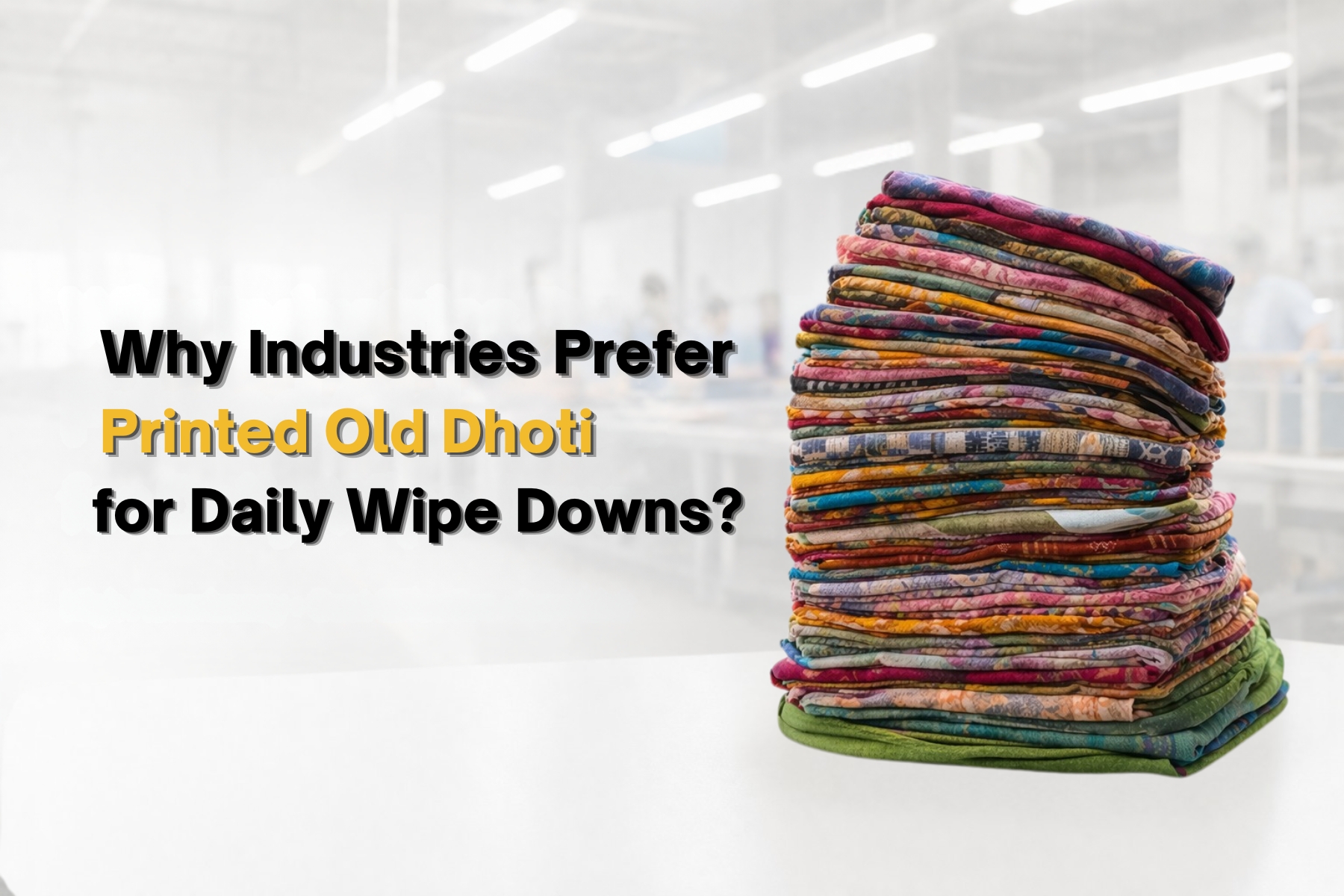
Walk into any busy automobile workshop, manufacturing unit, or engineering facility in India, and you’ll find one thing almost everywhere – stacks of cleaning cloth near every workstation. For daily wipe downs, workers need something reliable, soft, and cost-effective. That’s exactly why Printed Old Dhoti has become a go-to choice across Indian industries.
But what makes it stand out from other cleaning materials? Let’s break it down.
What Is Printed Old Dhoti?
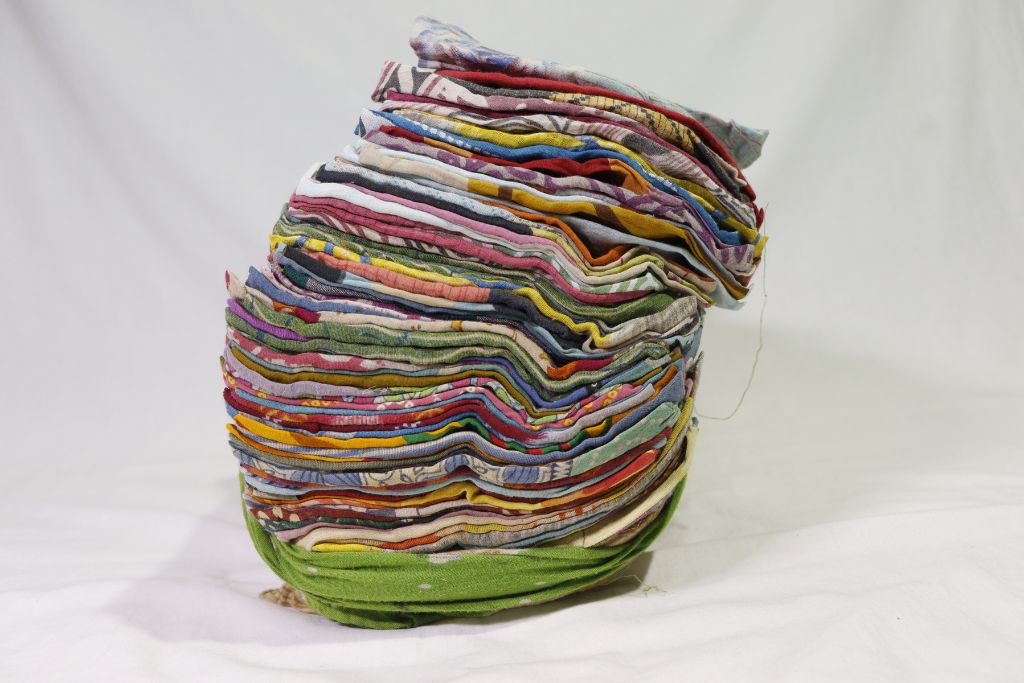
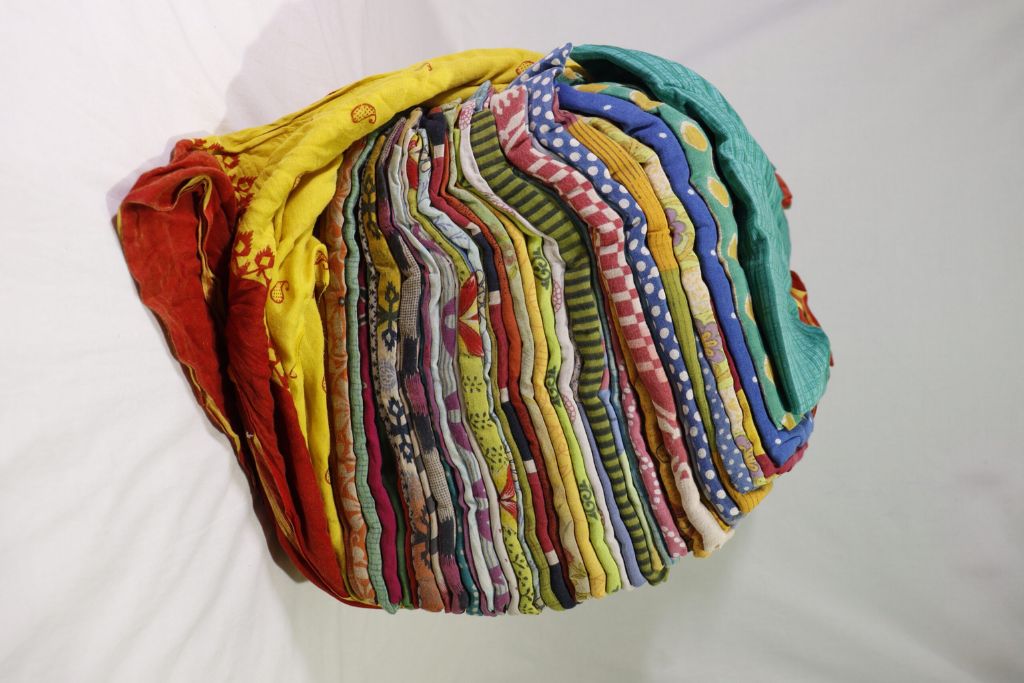
Printed Old Dhoti refers to recycled cotton dhoti fabric that carries prints, patterns, or dyed designs from its original use. Once collected and processed, this fabric is sorted, cut, and repurposed as industrial wiping cloth.
Unlike plain white cloth, the printed variety comes with mixed patterns – making it a colour old dhoti by nature. It’s typically softer, pre-washed, and ready for immediate industrial use.
Why Printed Fabric Works So Well for Industrial Cleaning
1. Cotton Base Means Excellent Absorbency
The biggest reason industries trust this cloth is simple – it’s cotton. Cotton fibres naturally pull in liquids, oils, and grease fast. Whether a worker is wiping a car engine, cleaning a machine part, or drying a surface after washing, the cloth does its job without leaving streaks.
Synthetic wipes can’t match that level of natural absorbency. And once you’ve used a good cotton wipe, there’s no going back.
2. The Printed Surface Hides Stains
This is a practical advantage that regular buyers quickly figure out. On white cloth, every oil mark and grease stain shows clearly. Workers end up discarding pieces that still have usable life left.
With Printed Old Dhoti, stains blend into the pattern. Workers can continue using the same piece across multiple wipe downs without it looking worn out. That directly reduces material wastage on the shop floor.
3. Pre-Worn Fabric Is Softer Out of the Box
New cloth can be stiff. Printed dhoti fabric has already been through regular use and washing cycles, which means it arrives softer and more pliable. For jobs that require wiping delicate surfaces – like painted panels or polished metal – this softness matters.
There’s no break-in period. Workers can use it immediately without worrying about scratching the surface they’re cleaning.
Industries That Rely on It the Most
Printed Old Dhoti sees heavy usage across several sectors:
- Automobile workshops: For wiping engine parts, tools, and finished surfaces
- Manufacturing units: For machine maintenance and component cleaning
- Engineering facilities: For removing grease, coolant, and metal dust
- Printing presses: For ink cleanup and roller wiping
- Packaging units: For surface prep and equipment maintenance
In all these environments, the need is the same: a reliable, affordable cloth that holds up under rough daily use.
How It Compares to Colour Sports T-Shirt Cutting Cloth
Another popular industrial wipe option is color sports t-shirt cutting cloth – made from recycled nylon or polyester sportswear. It’s lightweight and useful for dry wiping tasks.
However, for wet or oil-heavy cleaning, printed dhoti cloth holds a clear edge because of its cotton composition. Nylon-based cloth tends to repel liquids rather than absorb them, which limits its use in workshops dealing with lubricants or engine fluids.
Many facilities keep both on hand – sports t-shirt cloth for dry surface work, and colour old dhoti for wet or greasy cleaning tasks.
Cost Efficiency at Scale
For businesses buying cleaning cloth in bulk, price per piece matters. Printed Old Dhoti is consistently one of the most affordable options in the market, especially when sourced from an established supplier.
Because the fabric is recycled, the sourcing cost is lower. And because it hides stains, each piece gets used for longer before being replaced. That combination makes it genuinely cost-efficient, not just cheap.
Businesses running large operations across Delhi NCR often find that switching to a Printed Old Dhoti supply reduces their monthly cleaning material budget without any drop in cleaning performance.
What to Check When Buying
Not all printed cloth is equal. If you’re placing a bulk order, look for:
- Soft, pliable texture: Stiff cloth often hasn’t been processed properly
- No strong odour: A sign that washing and sorting was done right
- Uniform cut sizes: Makes distribution across workstations easier
- Cotton-dominant composition: Avoid mixes with too much synthetic fibre
A supplier with consistent quality control makes a real difference here. Poorly sorted cloth can vary batch to batch, which disrupts workflow on the shop floor.
Frequently Asked Questions
1. Is Printed Old Dhoti safe for wiping finished surfaces?
Yes. Because the fabric is pre-washed and soft, it works well on painted panels and polished surfaces without causing scratches.
2. How is Printed Old Dhoti different from plain Colour Old Dhoti?
Printed dhoti specifically refers to fabric with printed patterns, while colour old dhoti can include solid-dyed fabric. Both are cotton-based, but the printed variety often offers better stain camouflage.
3. Can it be used for oil and grease cleaning?
Absolutely. Cotton’s natural absorbency makes it ideal for oil, grease, and lubricant wiping — one of the main reasons it’s preferred in workshops.
4. Is it available in bulk for industrial orders?
Yes. Most reliable suppliers offer printed old dhoti in bulk quantities with customised sizes and packaging to suit different facility needs.
5. How does it compare to colour sports t-shirt cutting cloth for industrial use?
Sports t-shirt cloth (usually nylon-based) is better for dry wiping. For liquid, oil, or grease cleaning, printed dhoti cloth performs better because of its cotton base.
Final Word
For Indian industries that need dependable, affordable, and effective cleaning cloth every single day, Printed Old Dhoti ticks every box. Its absorbency, softness, stain-hiding ability, and low cost make it a practical choice across automotive, engineering, and manufacturing environments.If you’re looking for consistent quality and bulk supply, contact the Shiv Enterprises team to discuss your requirements.