

If you run a workshop, factory, or maintenance unit, you already know that not every cleaning cloth does the same job. The wrong material can scratch surfaces, leave lint behind, or fall apart after a few wipes.
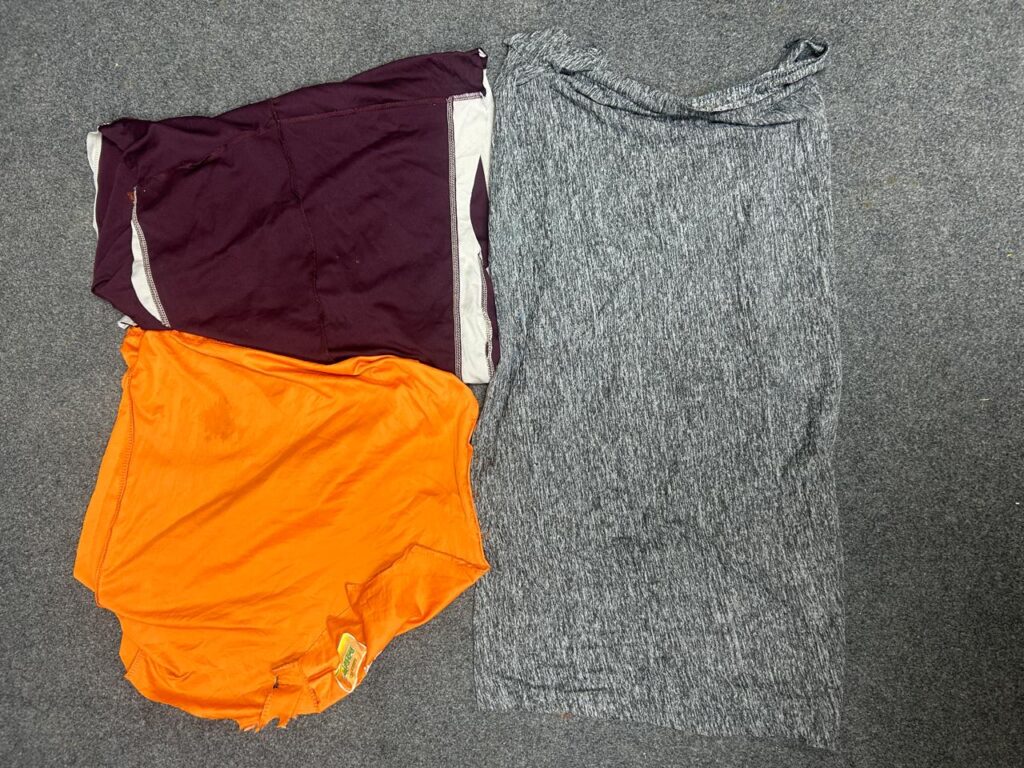
That’s where nylon cutting cloth becomes a smart choice for industrial buyers. Made from recycled color sports t-shirt fabric, it combines flexibility with durability. But selecting the right type for the right task still matters.
This guide breaks it down simply so you can make a smarter buying decision.
What Is Nylon Cutting Cloth?
Nylon cutting cloth is recycled fabric cut into standard wiping pieces, typically sourced from old sports t-shirts and similar synthetic garments. The nylon and polyester blend gives it a distinct texture compared to 100% cotton cloth.
It is commonly used as a T-shirt for industrial use because the fabric holds up well under repetitive wiping, resists tearing, and doesn’t absorb too much liquid, making it suitable for tasks where you need quick, controlled wiping.
Key Properties to Understand Before You Buy
Not all nylon cutting cloth is the same. Before selecting, it’s worth knowing what separates a good batch from a poor one.
Fabric composition: Look for cloth made from actual sports t-shirt material, not random synthetic blends. Color sports t-shirt fabric tends to be more uniform in thickness and strength.
Cut quality: Pieces should be cleanly cut, not frayed or torn. Frayed edges mean more lint, which is a serious problem near machinery.
Softness and flexibility: Good nylon cutting cloth bends easily and doesn’t stiffen up after absorbing liquid.
Odor: Fresh batches should be neutral. A strong chemical or musty smell usually indicates improper storage or processing.
Matching Nylon Cutting Cloth to Specific Cleaning Tasks
This is where most buyers go wrong: using one type of cloth for everything. Here’s a practical breakdown.
Machine and Equipment Wiping
For wiping machine parts, nylon cloth works well because it’s strong and doesn’t shred easily. It handles oils, grease, and coolant residue without falling apart mid-task. Choose medium-weight pieces for this kind of work.
Surface Cleaning in Auto Workshops
In garages and auto service centers, surfaces range from painted panels to rubber fittings. Color sports t-shirt cloth is commonly preferred here because the mixed texture grips dust without scratching. Avoid heavy, stiff pieces. Flexibility matters more.
General Workshop Floor Wiping
For rough floor wiping or spill cleanup, durability takes priority over softness. Thicker nylon pieces last longer in this kind of work. Since stains don’t show on colored cloth, workers can use each piece longer before discarding.
Light Wipe-Downs on Metal Parts
Nylon cloth isn’t ideal for glass or polished surfaces. That’s better suited to cotton. However, for light post-maintenance wipe-downs on metal components, a softer nylon piece works perfectly well.
How to Evaluate a Supplier Before Buying in Bulk
Buying 10 kilos of bad cutting cloth is an expensive mistake. Here’s what experienced procurement teams typically look for:
- Ask for a sample first. A reliable supplier will send one without hesitation.
- Check consistency. All pieces in the batch should feel similar in weight and thickness.
- Confirm the source fabric. Cloth cut from genuine color sports t-shirt material performs better than mixed rag bundles.
- Verify cut dimensions. Pieces should meet your required size without excess fraying.
A supplier who sorts carefully and maintains consistent quality across every batch is worth paying slightly more for.
Color Sports T-Shirt Cloth vs. White Cotton Cloth
Many buyers ask whether they should go with white cloth or colored clothes. For nylon cutting cloth used in industrial settings, color is typically the stronger pick.
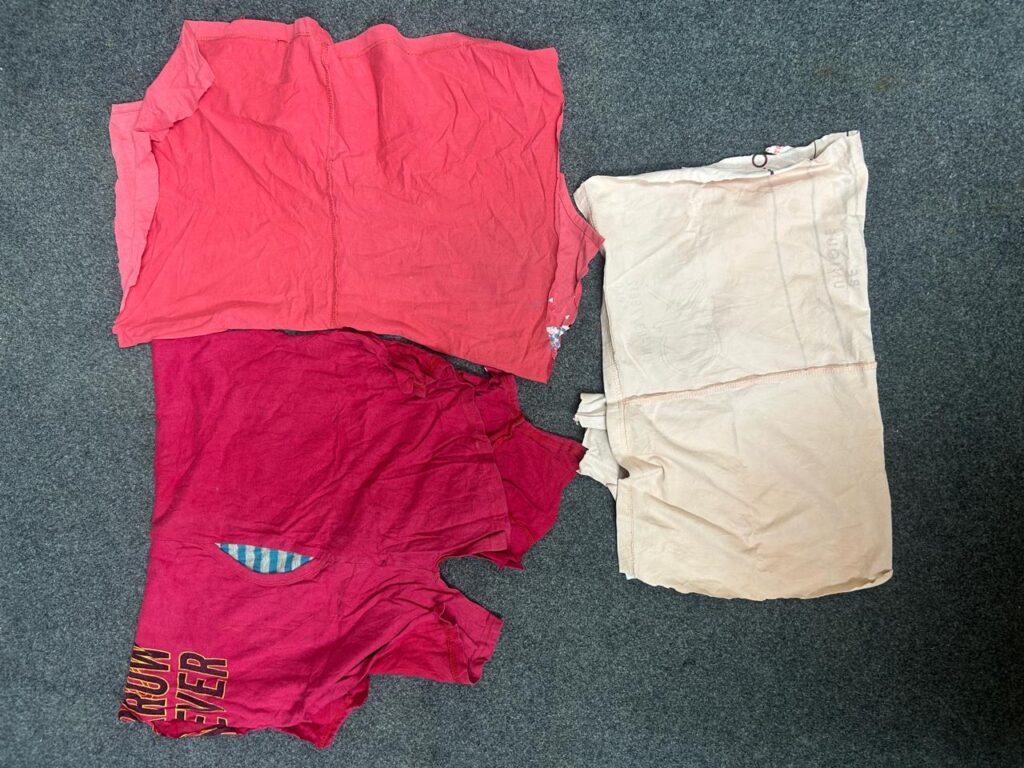
Color sports t-shirt cloth is more durable for heavy-duty tasks, hides stains so workers use each piece longer, and costs less per kilo. It’s built for tough, repetitive cleaning work.
White cotton cloth is better when visual cleanliness matters, such as polishing, finishing, or wiping glass. It’s softer and more consistent in texture, but generally costs more and gets discarded faster.
For most T-shirts for industrial use applications, colored nylon cloth offers better daily value. White works best when kept specifically for detail or finishing tasks.
Frequently Asked Questions
Q1. Is nylon cutting cloth reusable?
Yes. Nylon cutting cloth can be washed and reused multiple times. Its synthetic fiber structure means it doesn’t degrade as quickly as cotton after repeated washing. For best results, wash batches separately and air dry.
Q2. What makes color sports t-shirt cloth better than random synthetic rags?
Sports t-shirt fabric is usually uniform in weave and thickness. Random synthetic rag mixes can vary widely, sometimes including fabrics that are too stiff or too thin for reliable wiping. Uniformity directly affects cleaning performance.
Q3. Can nylon cutting cloth be used near electrical equipment?
It’s better to avoid synthetic cloth near live electrical components since nylon builds up static charge. For electrical maintenance tasks, cotton cloth is the safer option.
Q4. How do I calculate monthly cutting cloth requirements for my unit?
Track average daily usage per worker over one week, multiply by the number of workers, then calculate for 30 days. Add a 15-20% buffer for heavy-demand days or spillage situations. Most factories adjust this figure after the first two months of tracking.
Conclusion
Selecting the right nylon cutting cloth isn’t complicated once you know what each type does best. For heavy-duty wiping, machine maintenance, and bulk industrial use, color sports t-shirt cloth delivers strong performance at a practical price point.
At Shiv Enterprises, every batch is properly sorted and checked before dispatch. If you need bulk nylon cutting cloth or want to discuss the right type for your specific work, get in touch with our team.