

In manufacturing units, workshops, and processing plants, equipment cleaning is not just a routine task. It directly impacts productivity, safety, and operating costs. Every extra minute spent cleaning machines means lost production time, delayed schedules, and higher labor expenses.
Over the years, we have worked closely with maintenance teams across multiple industries, and one thing is clear: the right cleaning material can significantly reduce downtime. Traditional cotton wiping fabrics, when used correctly, help teams clean faster, protect machinery, and keep operations running smoothly.
In this article, we share practical insights from real-world industrial environments to explain how simple textile solutions can make a measurable difference in equipment maintenance.
Why Equipment Cleaning Downtime Matters
Downtime during cleaning affects more than just daily output. It can create a ripple effect across your entire operation.
Here’s what extended cleaning downtime usually leads to:
- Reduced production capacity
- Increased overtime costs
- Higher risk of missed delivery commitments
- Faster wear on equipment due to improper cleaning tools
- Lower workforce efficiency
In many facilities, cleaning is still treated as a minor task. In reality, it is a critical part of preventive maintenance. Choosing effective wiping materials helps teams clean thoroughly in less time while protecting sensitive machine surfaces.
How Old Dhoti Improves Cleaning Speed and Efficiency
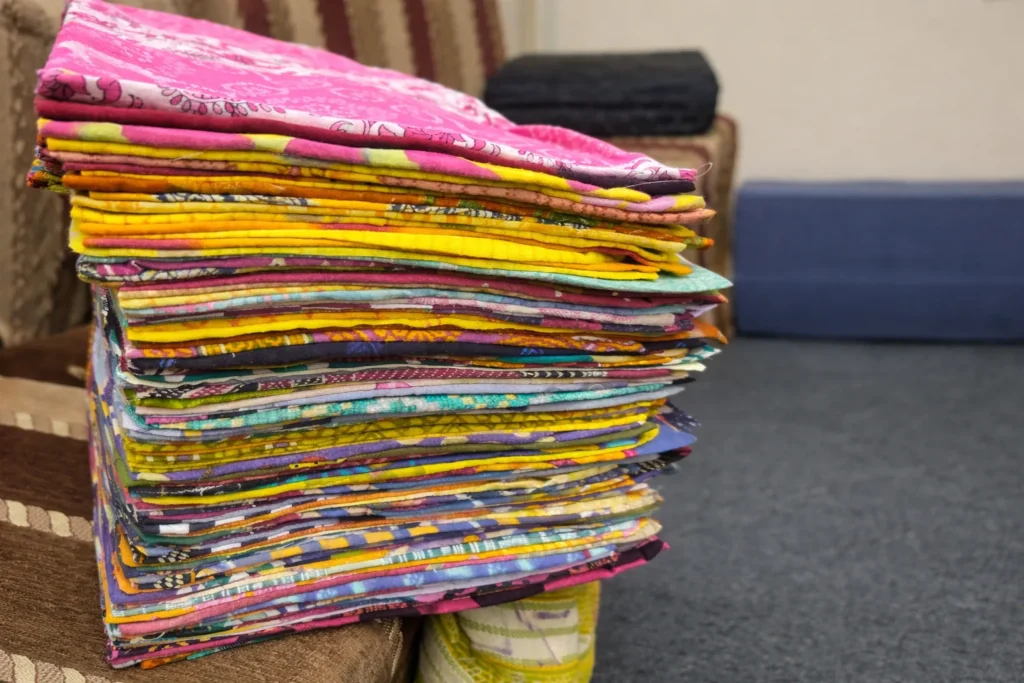
From our experience on factory floors, one of the most reliable materials for quick equipment wipe-downs is old dhoti cloth. Its natural cotton structure absorbs oil, grease, and moisture quickly, allowing operators to clean larger surface areas with fewer passes.
Unlike synthetic rags, cotton fibers grip dirt instead of spreading it. This means:
- Fewer repeated wipes
- Faster removal of grease and residue
- Less lint left behind on components
Maintenance teams often complete routine cleaning cycles noticeably faster when using high-absorption cotton cloth, especially on CNC machines, packaging equipment, and assembly-line tools.
Just as importantly, this type of fabric is gentle on metal surfaces, painted panels, and control interfaces. That reduces the risk of scratches or surface damage that can lead to long-term performance issues.
Consistent Results Across Different Industrial Environments
Cleaning requirements vary widely between industries. Food processing focuses on hygiene, engineering workshops deal with heavy grease, and printing units face ink buildup.
What stays consistent is the need for a wiping material that adapts to different conditions.
In many plants, teams rely on old dhoti for cleaning because it performs well in:
- Oil-heavy mechanical areas
- Dust-prone fabrication zones
- Moisture-sensitive electrical panels
- Final finishing and inspection stations
Its versatility allows maintenance crews to standardize their cleaning process across departments, which simplifies training and improves consistency.
Reduced Rework Means Less Downtime
One of the hidden causes of downtime is rework. When surfaces are not cleaned properly the first time, teams must stop operations again to repeat the task.
High-quality cotton cloth minimizes this problem by lifting contaminants efficiently. Operators can finish cleaning in one cycle instead of two or three, helping machines return to service faster.
Over time, this small improvement adds up to meaningful gains in uptime, especially in facilities with frequent shift-based cleaning schedules.
Supporting Preventive Maintenance Programs
Modern maintenance strategies focus on prevention rather than repair. Clean equipment runs cooler, moves smoothly, and shows wear patterns earlier, allowing teams to act before breakdowns occur.
Using cotton dhoti for industrial cleaning supports preventive maintenance by:
- Making inspection easier on clean surfaces
- Reducing buildup that causes overheating
- Preventing residue from entering bearings and joints
- Extending the life of seals and moving parts
When cleaning is fast and effective, teams are more likely to follow maintenance schedules consistently.
Cost Efficiency Without Compromising Performance
Downtime is expensive, but so are premium cleaning supplies. Many facilities struggle to balance quality with cost.
This is where old dhoti for cleaning becomes practical. It delivers dependable performance at a reasonable price point, making it suitable for daily use in high-volume environments. Teams can maintain standards without stretching budgets, which is especially important for small and mid-sized operations.
Safety and Operator Comfort
Cleaning should not expose workers to unnecessary risk. Cotton cloth offers a comfortable grip, even with gloves, and does not create sharp edges or abrasive surfaces.
In contrast, poor-quality rags can tear easily or leave threads behind, increasing slip hazards and contamination risks.
Reliable wiping cloth helps maintain safer workspaces while keeping operators confident in their tools.

Environmental Benefits of Reusable Cotton Cloth
Sustainability is becoming a priority across industries. Reusable cotton cloth supports eco-friendly operations by reducing single-use waste.
Compared to disposable wipes, cotton dhoti for industrial cleaning can be washed and reused multiple times, lowering landfill impact and cutting recurring supply costs. Many companies now include reusable wiping materials as part of their environmental responsibility programs.
Frequently Asked Questions
1. Can cotton wiping cloth be used on sensitive machinery?
Yes. Soft cotton fibers are safe for most metal surfaces, painted panels, and control areas. They clean effectively without scratching, making them suitable for precision equipment.
2. How often should industrial wiping cloth be replaced?
Replacement depends on usage intensity. In most facilities, cloth is replaced when absorption drops or fibers begin to degrade. Regular inspection ensures consistent cleaning performance.
3. Does reusable cotton cloth support hygiene standards?
Absolutely. When washed properly and stored in clean conditions, cotton wiping cloth meets hygiene requirements for many industrial applications, including food processing and packaging areas.
Watch more on our YouTube channel: https://youtu.be/V_4Ua3-GJMU?si=1T_p0Z7Lwp7R8R0r
Conclusion
Reducing cleaning downtime does not always require expensive tools or complex systems. Sometimes, it simply comes down to choosing the right basic material. By improving absorption, minimizing rework, supporting preventive maintenance, and lowering operational costs, traditional cotton wiping solutions help equipment return to service faster and stay reliable longer. These small efficiencies add up over time, delivering measurable productivity gains across your facility.
At Shiv Enterprises, we specialize in supplying dependable industrial cleaning materials that help teams work smarter, cleaner, and faster. If you need assistance selecting the right wiping cloth for your operation or want to discuss your specific requirements, feel free to contact us today. Our team is always ready to support your cleaning and maintenance goals.